NEWS DETAILS
Artist Isshin Tanisaki to Present Nagi, a Solo Exhibition at Komyo-in Temple, Tofukuji, Kyoto, Opening March 28, 2026. The exhibition explores the cycles of nature and life.
A solo exhibition by artist Isshin Tanisaki, titled “Nagi,” will be held at Kōmyō-in, a sub-temple of Tōfuku-ji in Kyoto, from Saturday, March 28, 2026, through Sunday, April 12, 2026.
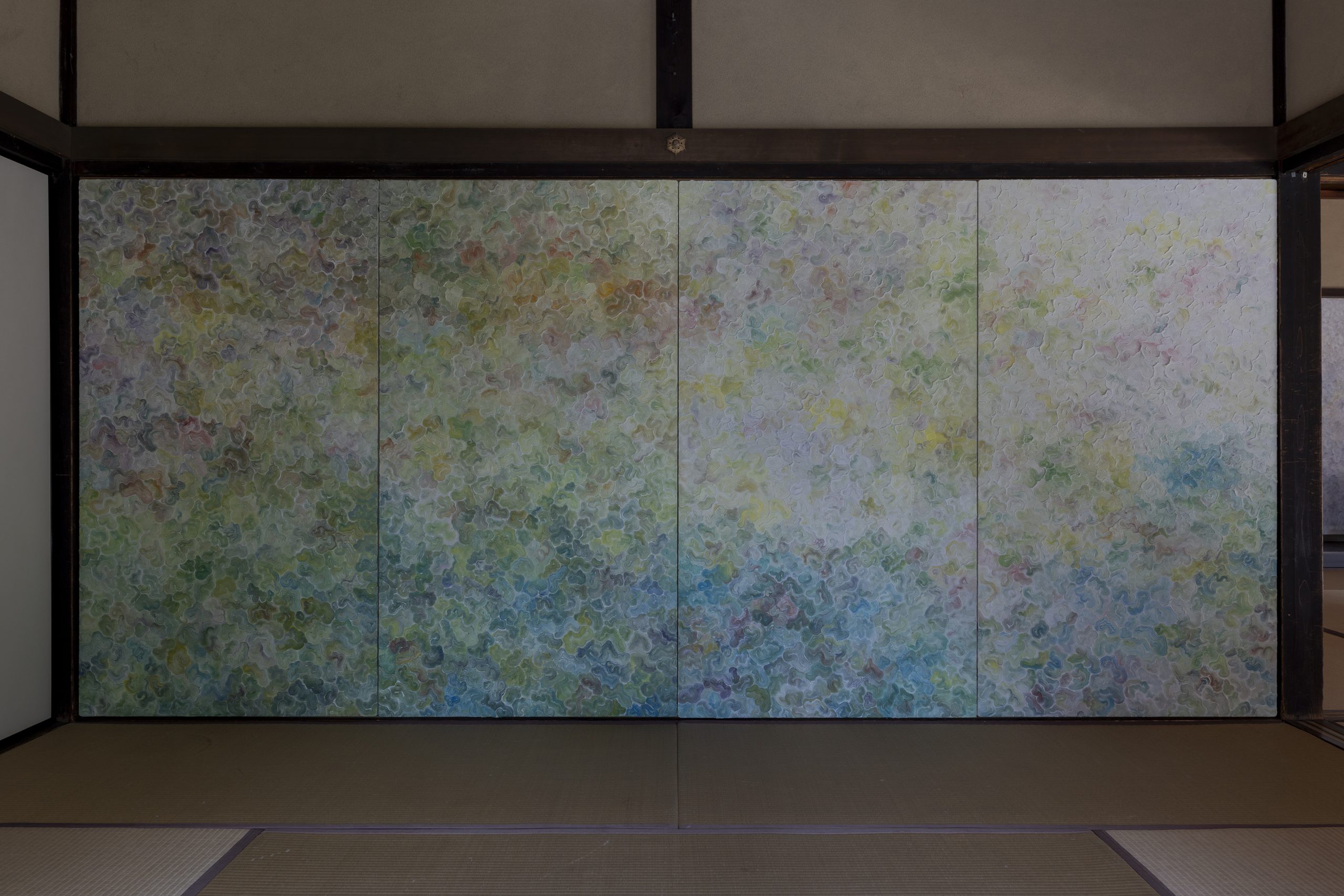
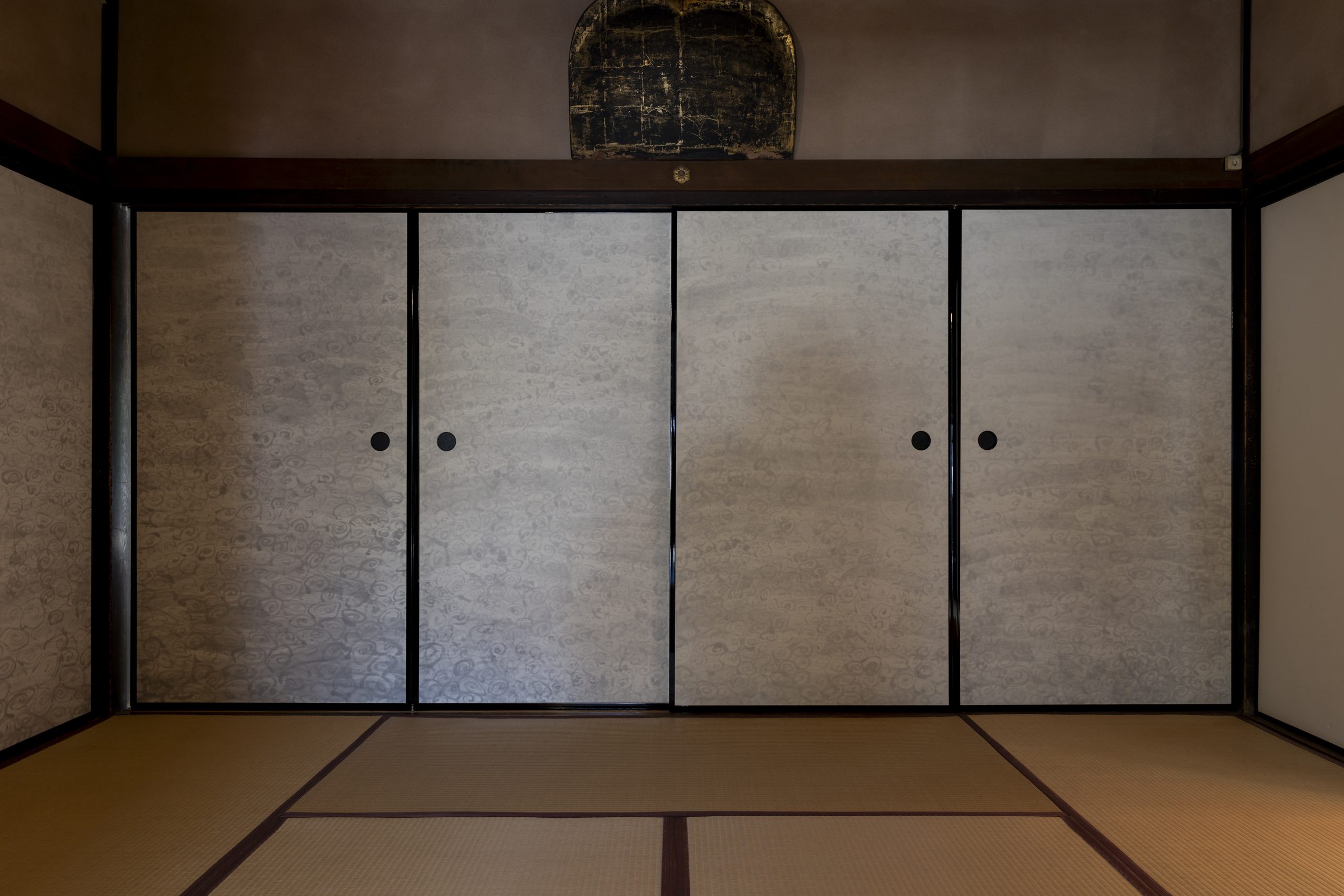
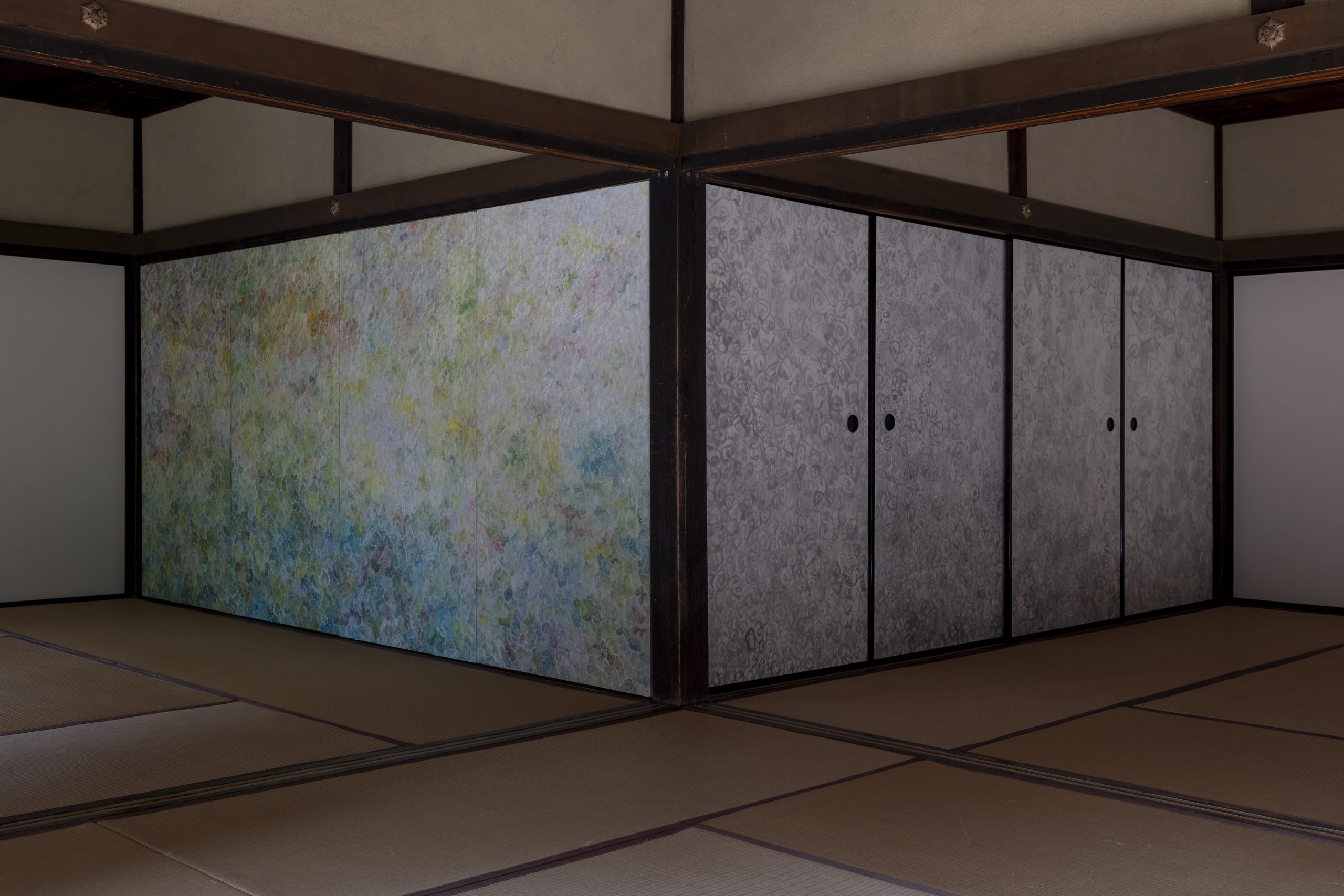
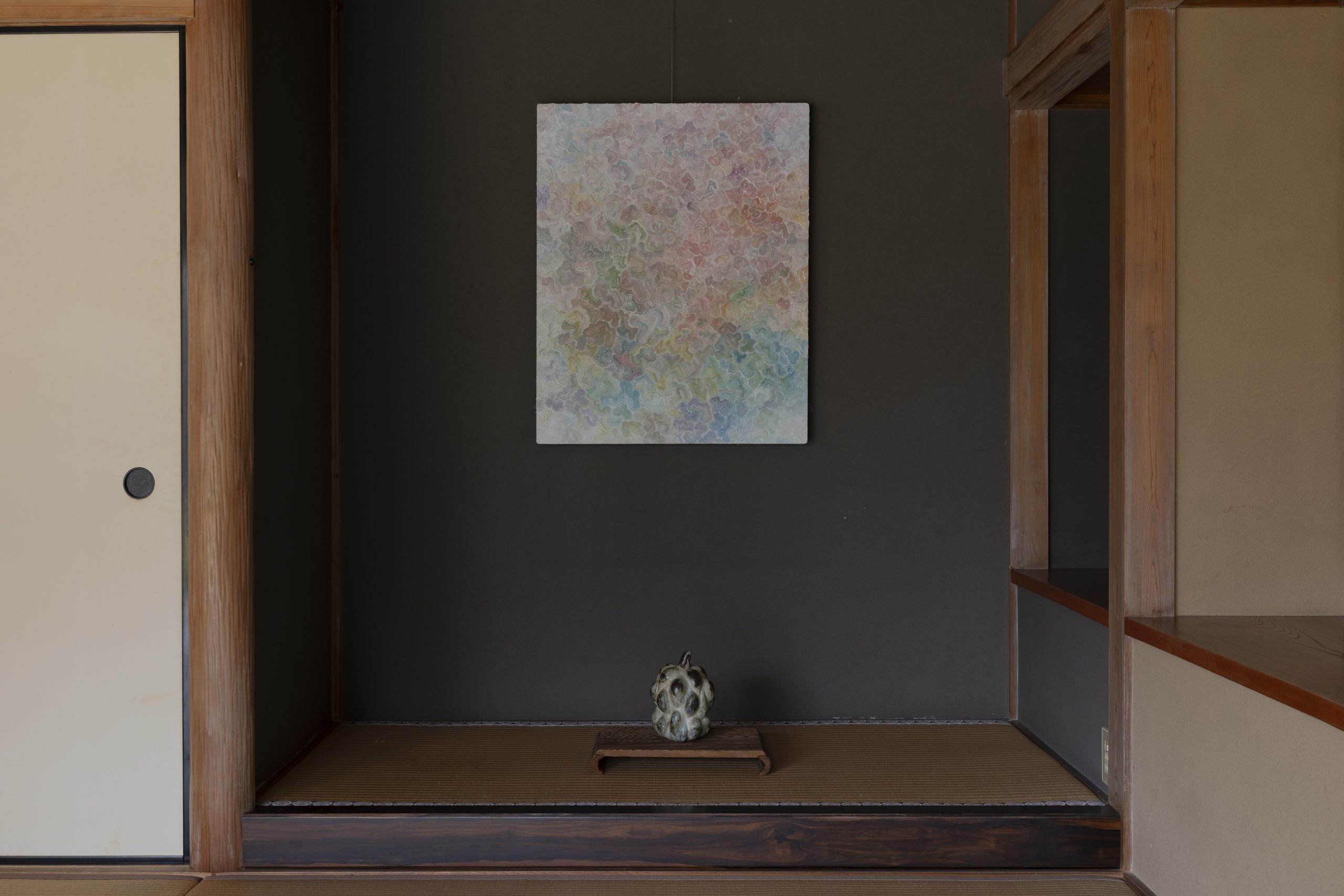
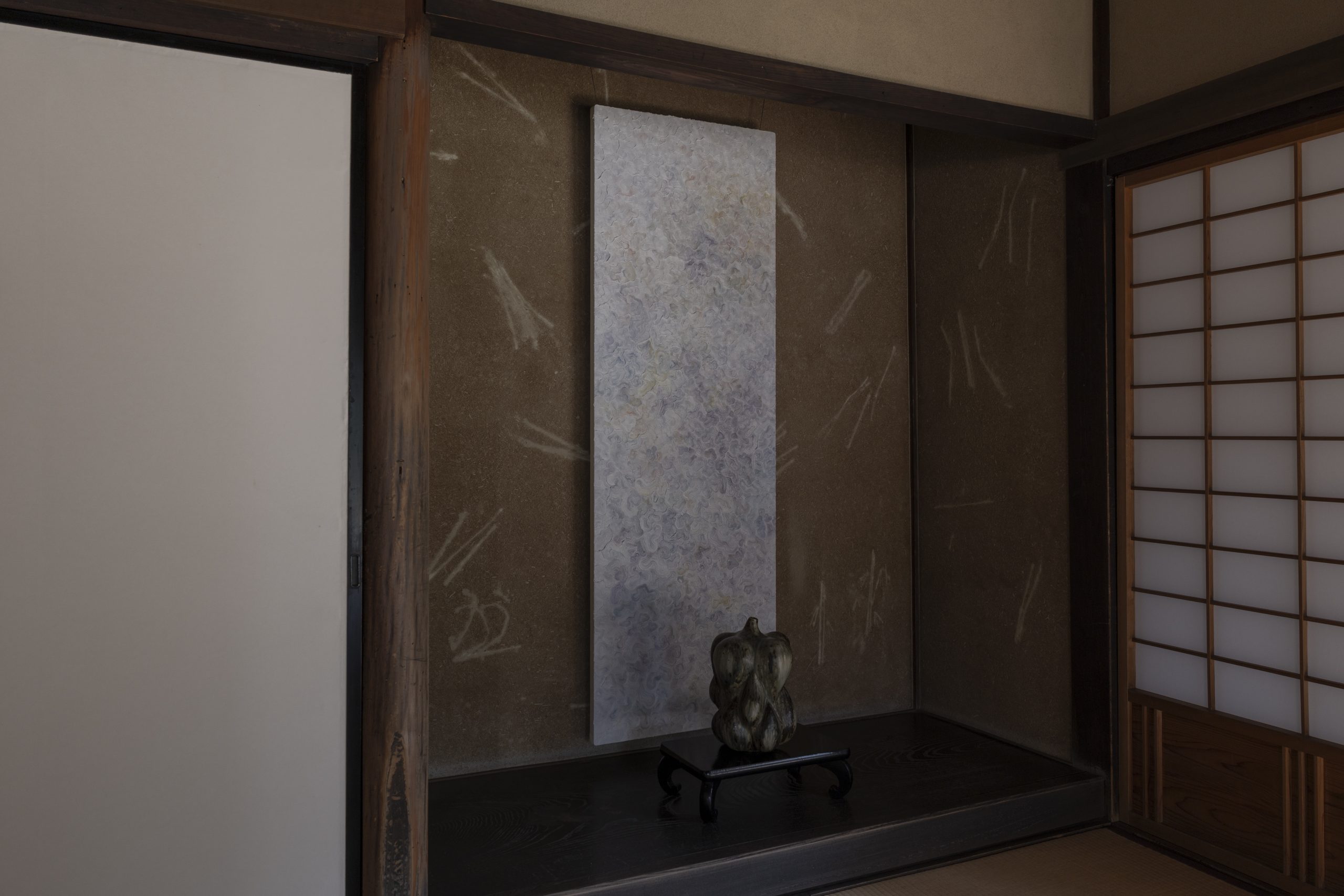
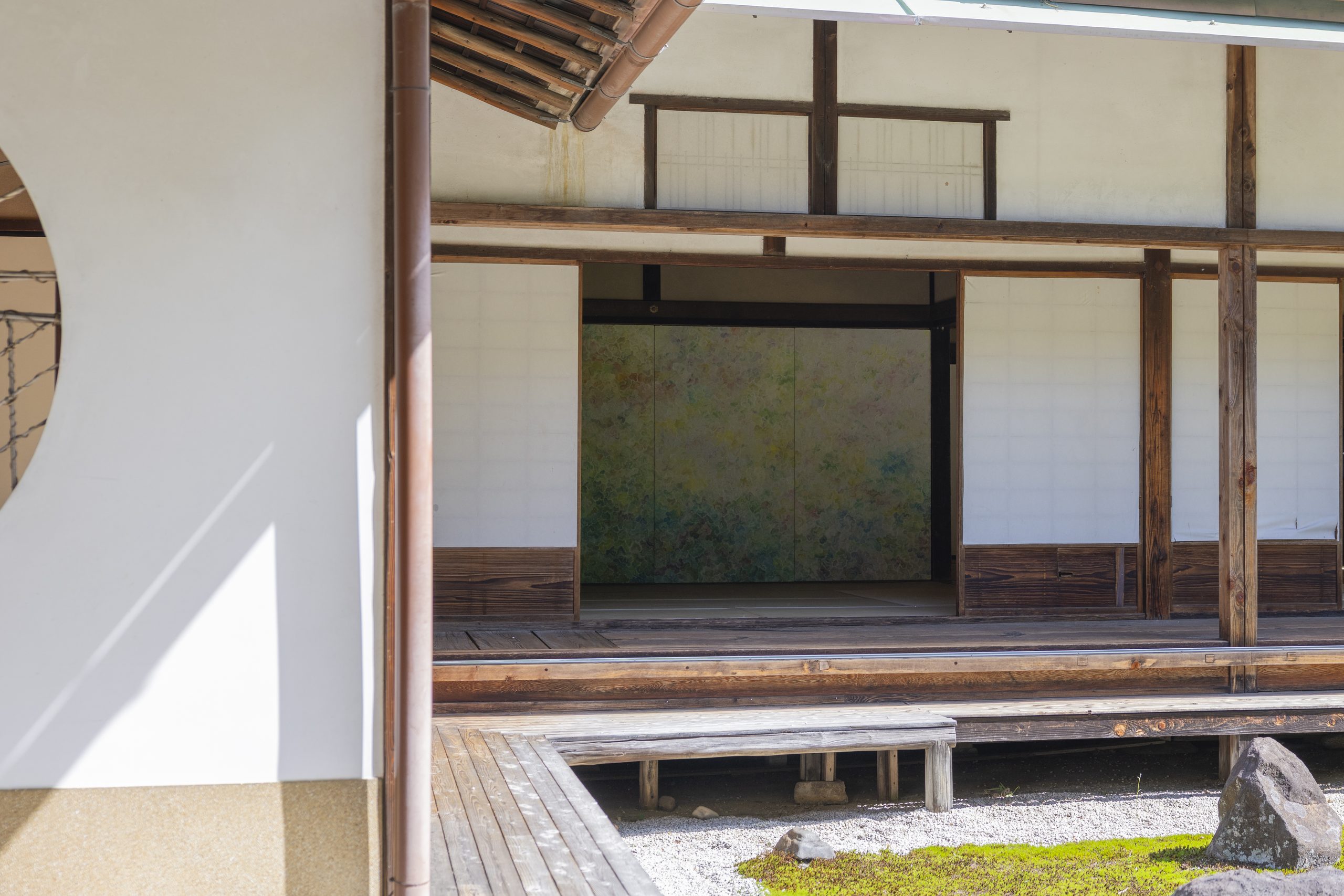
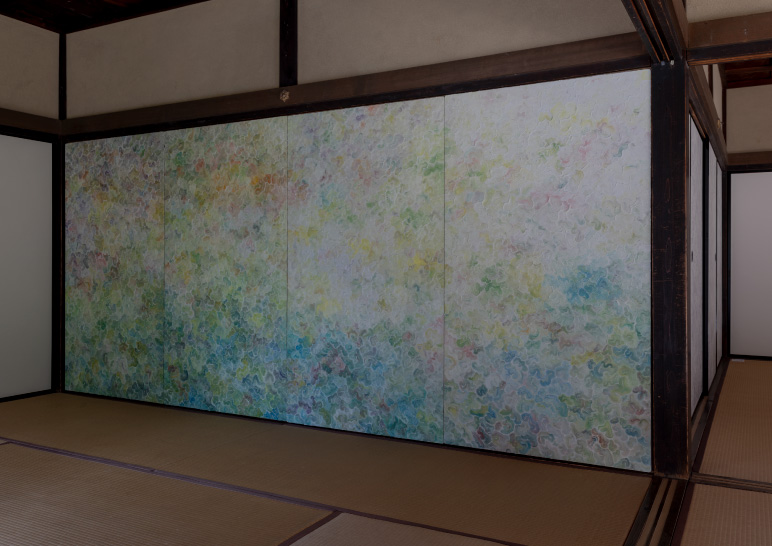
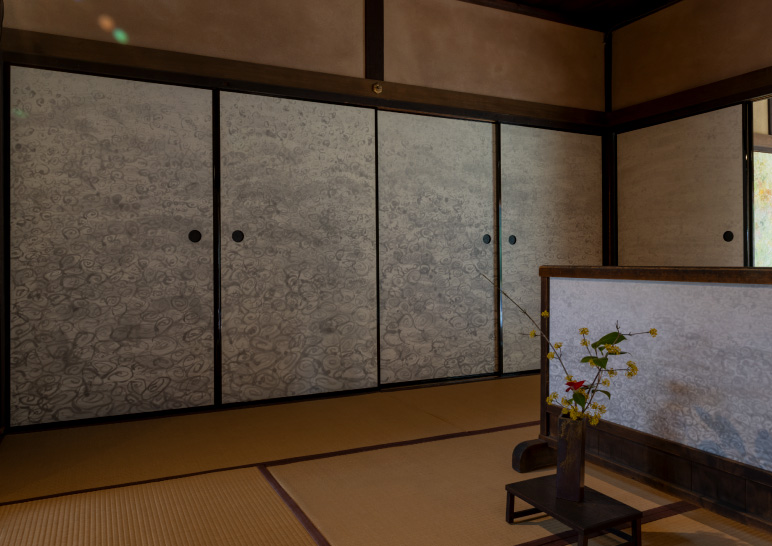
This exhibition, held at Komyo-in—a sub-temple of Tofuku-ji—is a solo show featuring works by Isshin Tanisaki, with a focus on his new pieces. Set within the serene space of this Zen temple, the exhibition features paintings depicting swirls—symbols of landscapes and the energy of life—as well as 12 fusuma paintings in ink wash, marking Tanisaki’s first foray into this medium. Through an exhibition that resonates with the scenery of the garden and temple, the show presents a new viewing experience woven from the interplay between the paintings and their surroundings, set against the backdrop of this historic temple.
EXHIBITION OVERVIEW
Isshin Tanisaki Solo Exhibition: “Nagi”
DATES : March 28, 2026 (Sta.) – April 12, 2026 (Sun.)
VENUE: Komyo-in, a sub-temple of Tofuku-ji
HOUR: 7:00 – until sunset
ADDRESS: 15-809 Honmachi, Higashiyama Ward, Kyoto City, Kyoto Prefecture 605-0981
ADMISSION FEE: 500 yen
*An admission fee is required to view the artwork.
OPENING RECEPTION
March 28, 2026 (Sta.), 18:00 – 20:00
The artist will be present.
STATEMENT
This exhibition features the work “Nagi,” which was inspired by the experience of immersing oneself in the “Hashin-tei” dry landscape garden created by Sanrei Shigemori, one of the leading landscape architects of the Showa era.
At “Hashin-tei,” the numerous garden stones—including the “Sanzon” stone arrangement—and the cloud-shaped azalea hedges are particularly eye-catching. Amidst this setting, I found myself in a dialogue with the flow of white sand, which serves as the “sea” complementing the stone arrangement.
As I gazed at the gentle flow of white sand, a momentary calm descended upon time and space; as my mind settled, insights and flashes of inspiration would surface and then fade away. Within that momentary calm, the flow of white sand was transformed into the swirling vibrations of light—a form of intuition—and eventually emerged as an image in a painting. That is the artwork “Calm.”
We hope that as you sit within the temple grounds, gazing peacefully and absentmindedly at the garden, sliding doors, and paintings—leaving the hustle and bustle of daily life behind—you will enjoy a moment of quiet reflection, even if only for a brief while, to connect with your inner self.
Isshin Tanisaki
PROFILE
Isshin Tanisaki
1974 Born in Fukuoka Prefecture, Japan.
Isshin Tanisaki works with the theme of "life's energy and circulation," painting vortices—combinations of color and texture that symbolize energetic motion—to embody vital force on the canvas.
Since the early 2000s he has shown landscapes made from dense fields of fine dots, the very origin of his vortex motif. By positioning the vortex as a primordial form underlying all phenomena, and rendering vortex worlds in a minimalist way, Tanisaki reflects on the energy that generates life itself and on the formation of our everyday world and the cosmos.
SOLO EXHIBITIONS
2018 Painting (Luca Scandinavia/Tokyo, Japan)
2022 Light and Shadow (LURF GALLERY/Tokyo, Japan)
2023 Vortex (LURF GALLERY/Tokyo, Japan)
2024 Vortex, Memory of Color (Dansk Møbelkunst Gallery/Copenhagen, Denmark)
2024 Cycle of Energy (GINZA TSUTAYA BOOKS FOAM CONTEMPORARY/Tokyo, Japan)
2024 Creation of Image (LURF GALLERY/Tokyo, Japan)
2025 FEEL (LURF GALLERY/Tokyo, Japan)
GROUP EXHIBITIONS
2024 ART CONNECT (BONDED GALLERY/Tokyo, Japan)
2025 Breathing Paintings — Cross and Vortex (LURF GALLERY/Tokyo, Japan)
2026 IMAGINATION (LURF GALLERY/Tokyo, Japan)
2026 “RARE EARTH” (NIGHT GALLERY, Los Angeles)
PUBLIC / PRIVATE COLLECTIONS
Kansai International Airport K-SKY Lounge (Osaka), TOFROM YAESU (Tokyo), Komyo-in Tofuku-ji (Kyoto)
Instagram|@isshintanisaki_official
*The kanji for “Saki” is “たつさき.”
Kōmyō-in, a sub-temple of Tōfuku-ji
It was founded in 1391 (the second year of the Meitoku era), at the beginning of the Muromachi period, by Kanayama Myōchō as a sub-temple of Tōfuku-ji.
In the Unryo Garden—the front garden located just inside the temple gate—sits Marishi Sonten, the guardian deity of victory.
Known as the “Rainbow Moss Temple,” the main garden—the “Hashin-tei”—displays a stunning harmony of moss and sand. It is a dry landscape garden designed by Shigemori Mirei, a landscape architect of the Shōwa era, and was created in Shōwa 14 alongside the Hōjō Garden at Tōfuku-ji Temple.
The Hashin-tei, a Heian-style shūhama garden that differs in character from the Hōjō Garden, takes its name from the temple’s name, Kōmyō. Centered on a trio of stone figures floating on white sand—which symbolizes the vast ocean—standing stones are arranged in a diagonal line.
Behind them, the azaleas and rhododendrons have been heavily pruned to create dynamic cloud-like patterns, and if you look up, you’ll catch a glimpse of the tea house “Rogetsuan.”
Rogetsuan, whose name is derived from the Zen saying, “No clouds arise on the mountain ridge, yet the moon sometimes falls into the heart of the waves” (Clouds do not arise on the mountain ridge, yet the moon sometimes falls into the heart of the waves), was built in Shōwa 32.
The design incorporates moon motifs on the windows, walls, and shoji screens, allowing visitors to enjoy the view of the moon rising in the eastern sky as seen from the "Wave Heart" garden.
It is said that the aforementioned Marishi Sonten is sometimes depicted riding the moon, and the exquisite, skillful design—which runs consistently from the temple’s name, Kōmyō, to the name of this hermitage, Ragetsuan—offers a beautiful view and a sense of peace.
When worldly desires are cast aside, the moon (the Buddha’s mind) is reflected in the waves.
INSTALLATION VIEWS