ARTISTS
TEPPEI MIYAKE
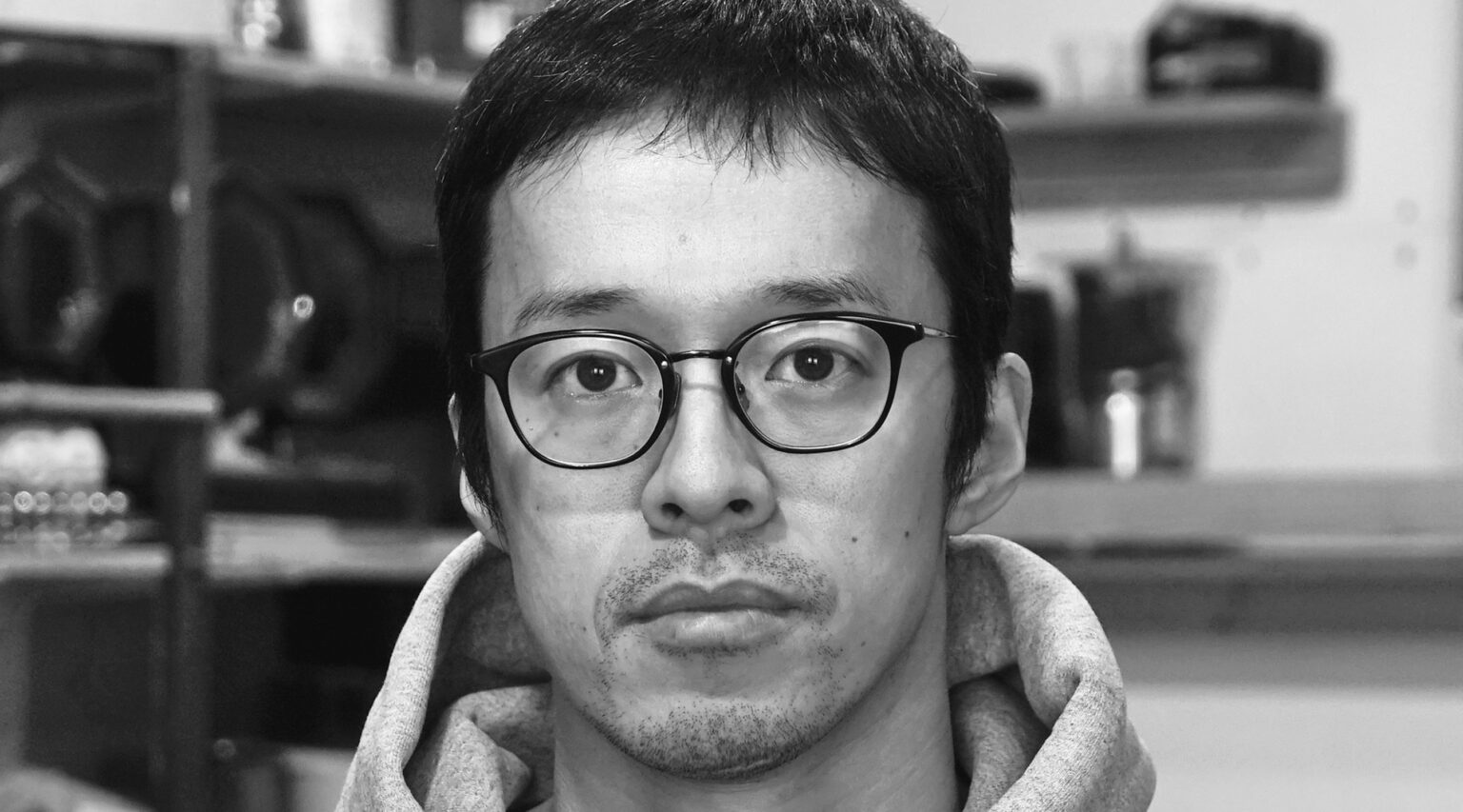
三宅 哲平
In Japan, funerary rites—shaped by the Edo-period danka system—have long provided the framework through which the presence of the dead is defined, in what is often called "funeral Buddhism." Yet with shifts in religious sensibilities, increasing individualization, and a declining and aging population, I found myself wanting to reconsider how absence might be expressed in Japan today. That impulse is what first led me to make gravestones.
What I unexpectedly confronted in the process, however, was the fact of forgetting—and the self-evident truth that countless dead lie buried, while most of us, too, will eventually be forgotten. The act of "digging into strata" began as an attitude toward an invisible, immense history: a way of seeking how to confirm the existence of those innumerable ones who can no longer exist.
In 1788, the geological time that James Hutton discovered through the unconformity at Siccar Point—deep time—was not a "past" within human temporal perception, but the discovery of an outside that cannot be recalled. And yet, strata, like us, possess their own histories down to each single grain of sand. What appears to humans as a result is, in deep time, a process; weathering is becoming; it is not forgetting, but transformation.
Just as the calcium that composes our bones once drifted in the sea as foraminifera, and just as the iron in our blood was forged by stellar explosions, we quite literally stand upon deep time. Perhaps we find beauty—and a slight consolation—in strata because, living as we do within overwhelmingly short spans of time, we are, through them, touching a self that exists within a deep time where there is no concept of loss. If we dig beneath our feet, strata teach us that it is certainly there.
Teppei Miyake
BIOGRAPHY
SOLO EXHIBITIONS
GROUP EXHIBITIONS
Makurazaki International Art Award (Kagoshima, Japan)
Phase 2 (Tokyo)
Ode aus Japan (Semjon Contemporary/Berlin)
ART FAIRS
Young Art Taipei (Sheraton Taipei Hotel/Taipei)
Asia hotel Art Fair(Mandarin Oriental/Hong Kong)
KOGEI Art Fair Kanazawa (Hyatt Centric Kanazawa/Kanazawa, Japan)
RESIDENCIES
AWARDS
PROJECTS
SELECTED ARTWORKS
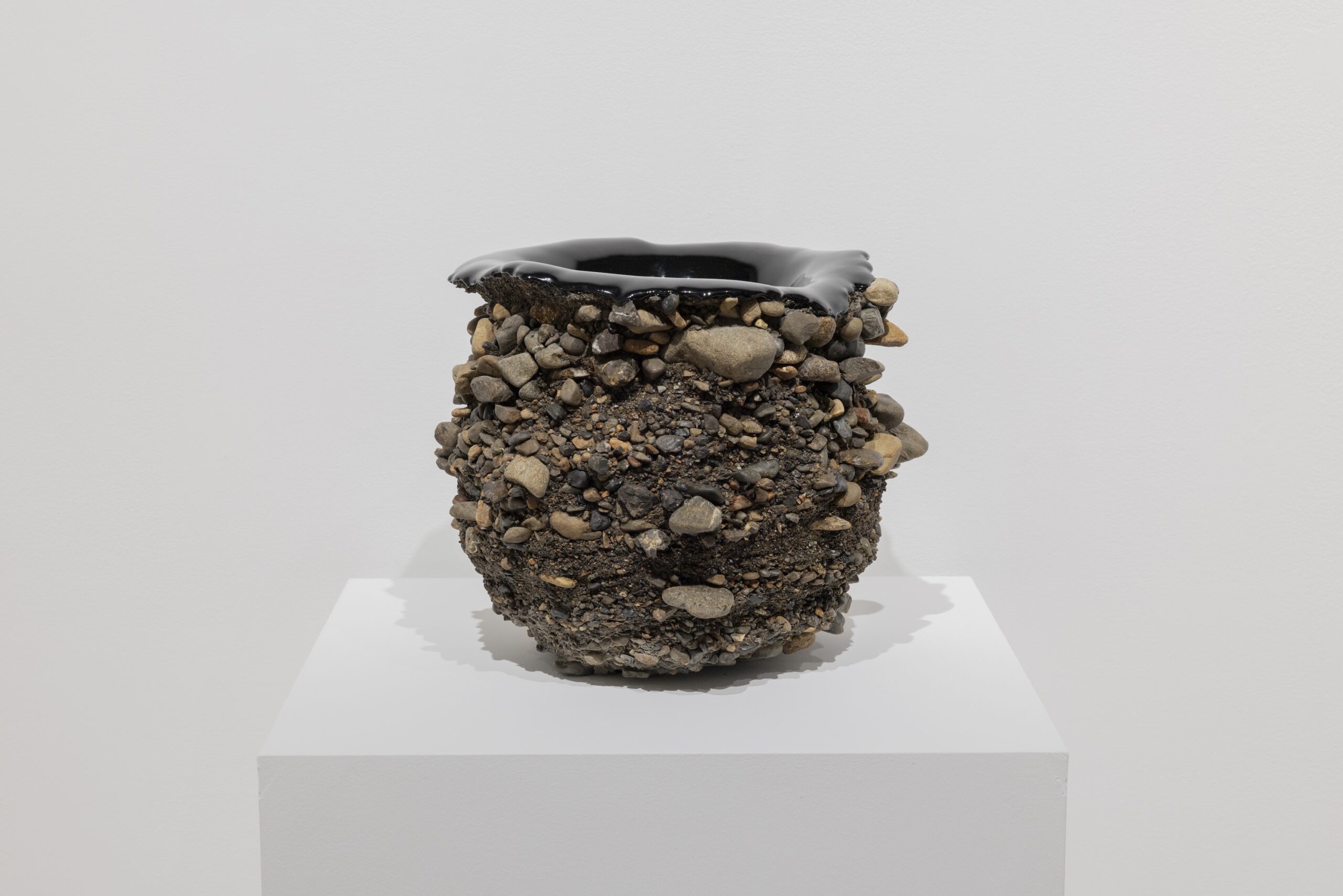
Check dam
2026
Stratum (gravel bed), urethane resin, putty, urethane coating, and UV-blocking clear coating
H26 × W33 × D30 cm / H10.2 × W13.0 × D11.8 in
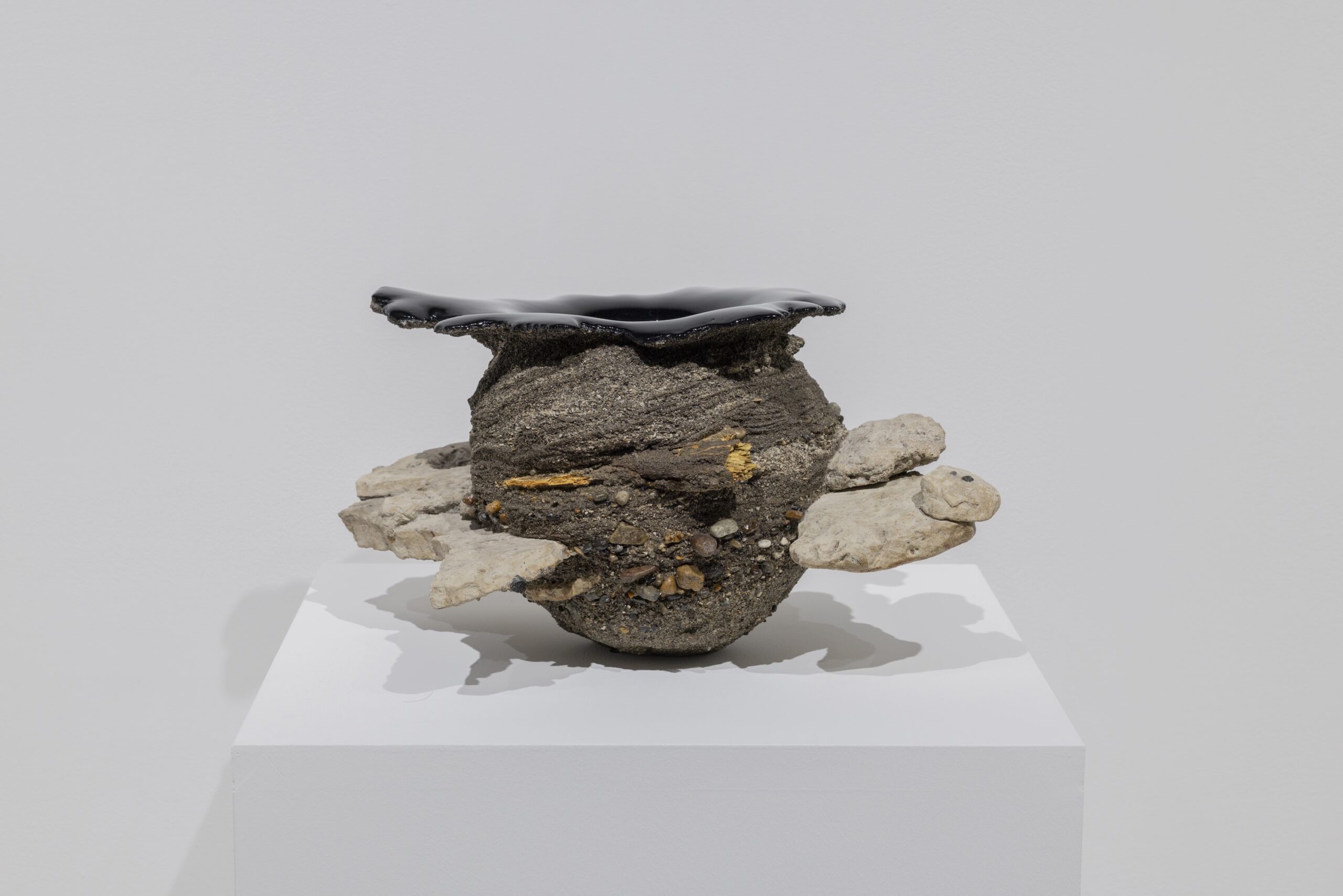
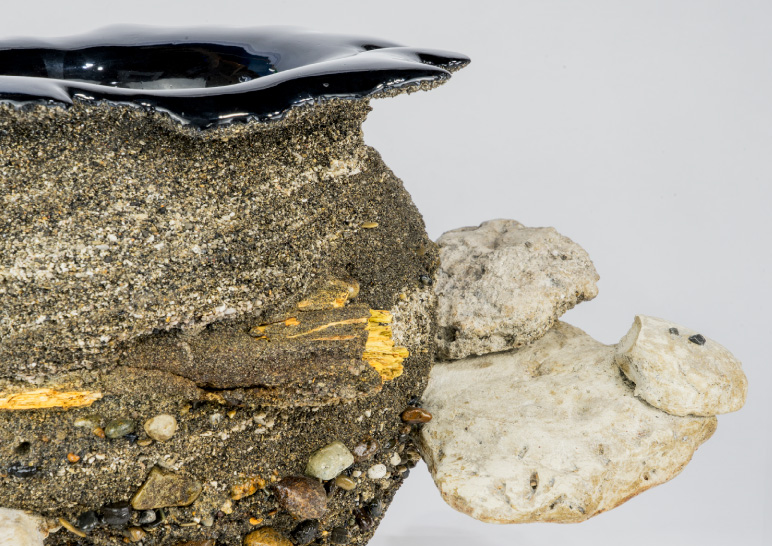
Sand Vessel
2026
Stratum (Ichijuku Formation), urethane resin, putty, urethane coating, and UV-blocking clear coating
H22 × W41.5 × D37 cm / H8.7 × W16.3 × D14.6 in
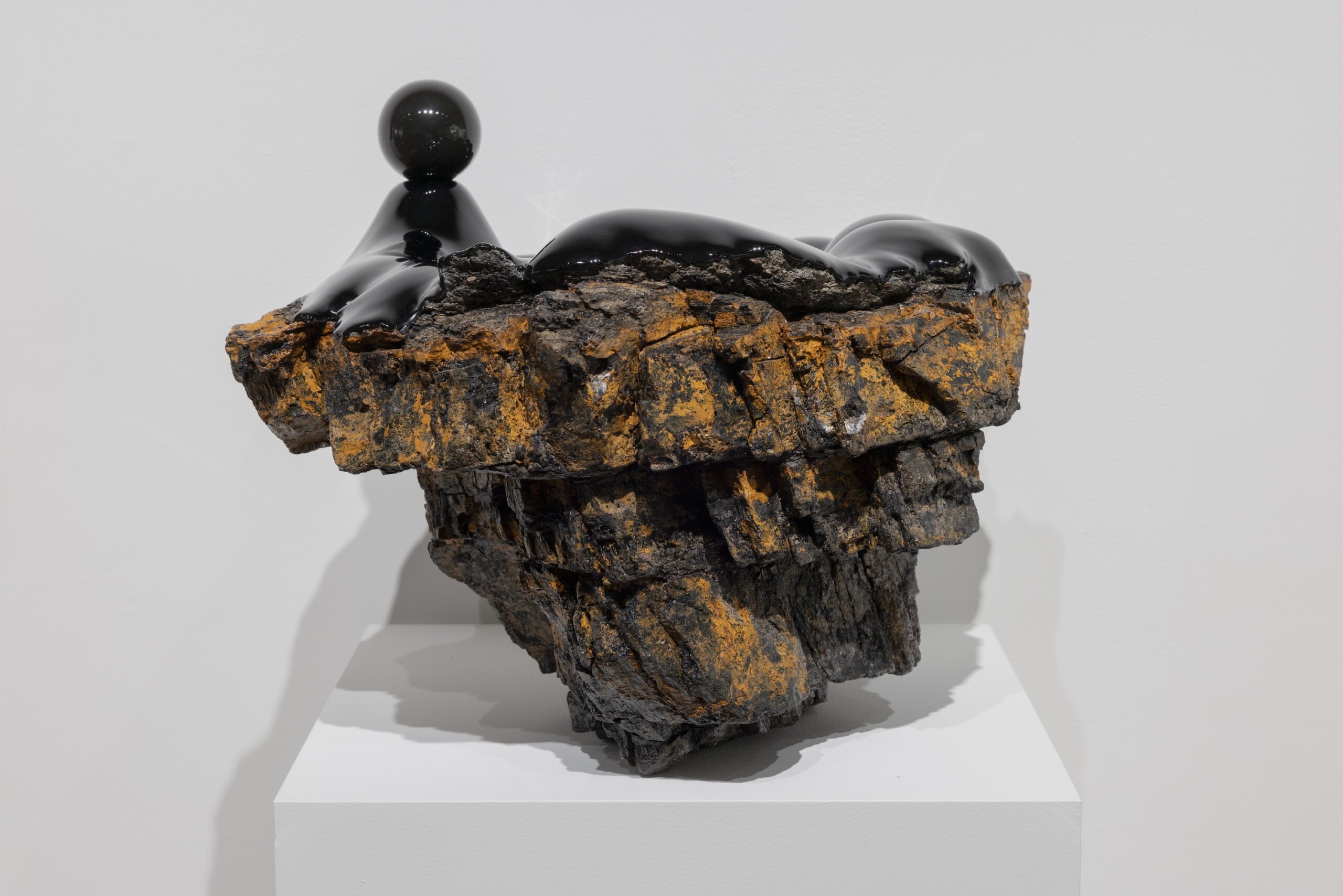
Mining
2026
Coal seam, urethane resin, putty, urethane coating, and UV-blocking clear coating
H41 × W50 × D53 cm / H16.1 × W19.7 × D20.9 in
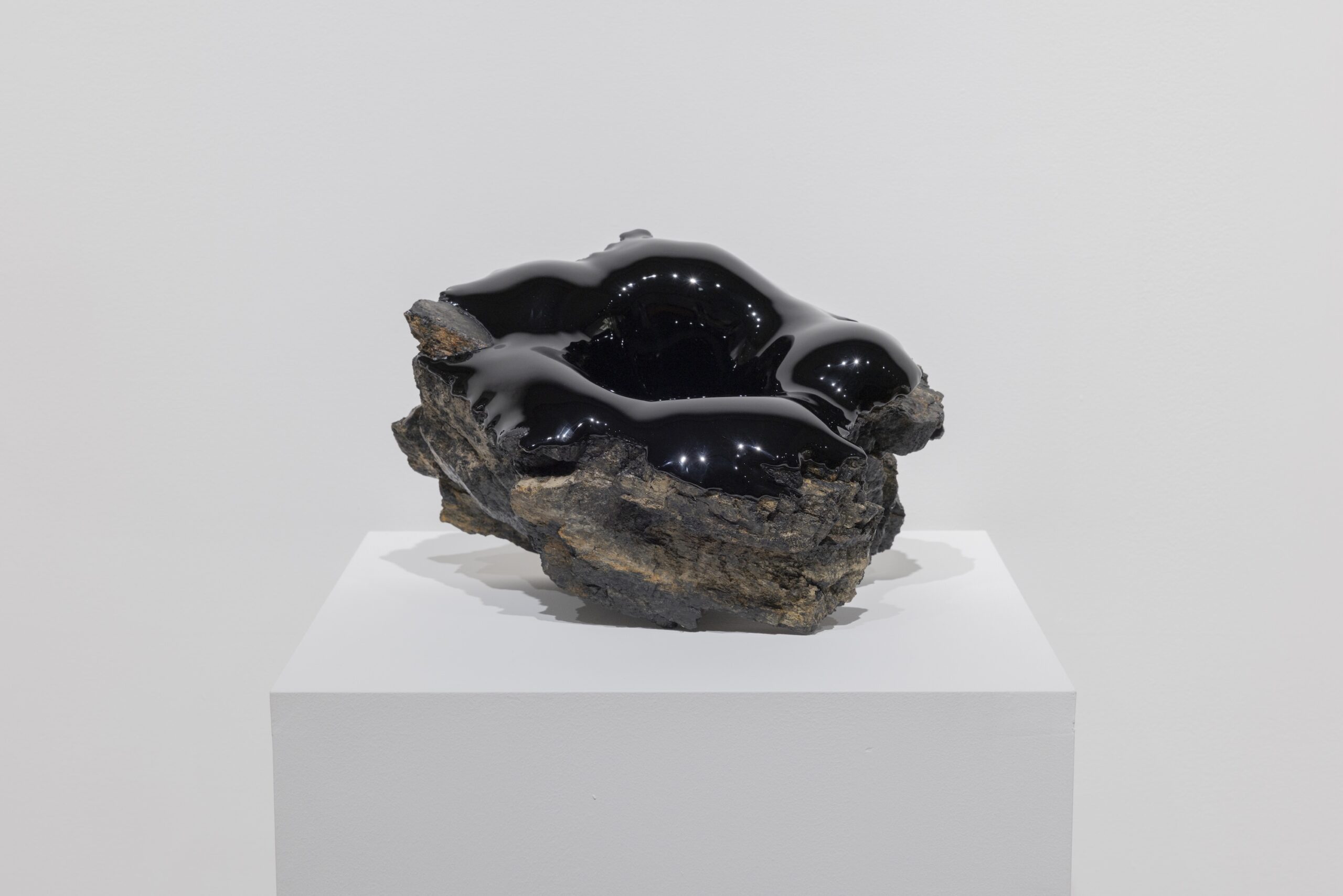
Mining
2026
Coal seam, urethane resin, putty, urethane coating, and UV-blocking clear coating
H22 × W35 × D28 cm / H8.7 × W13.8 × D11.0 in
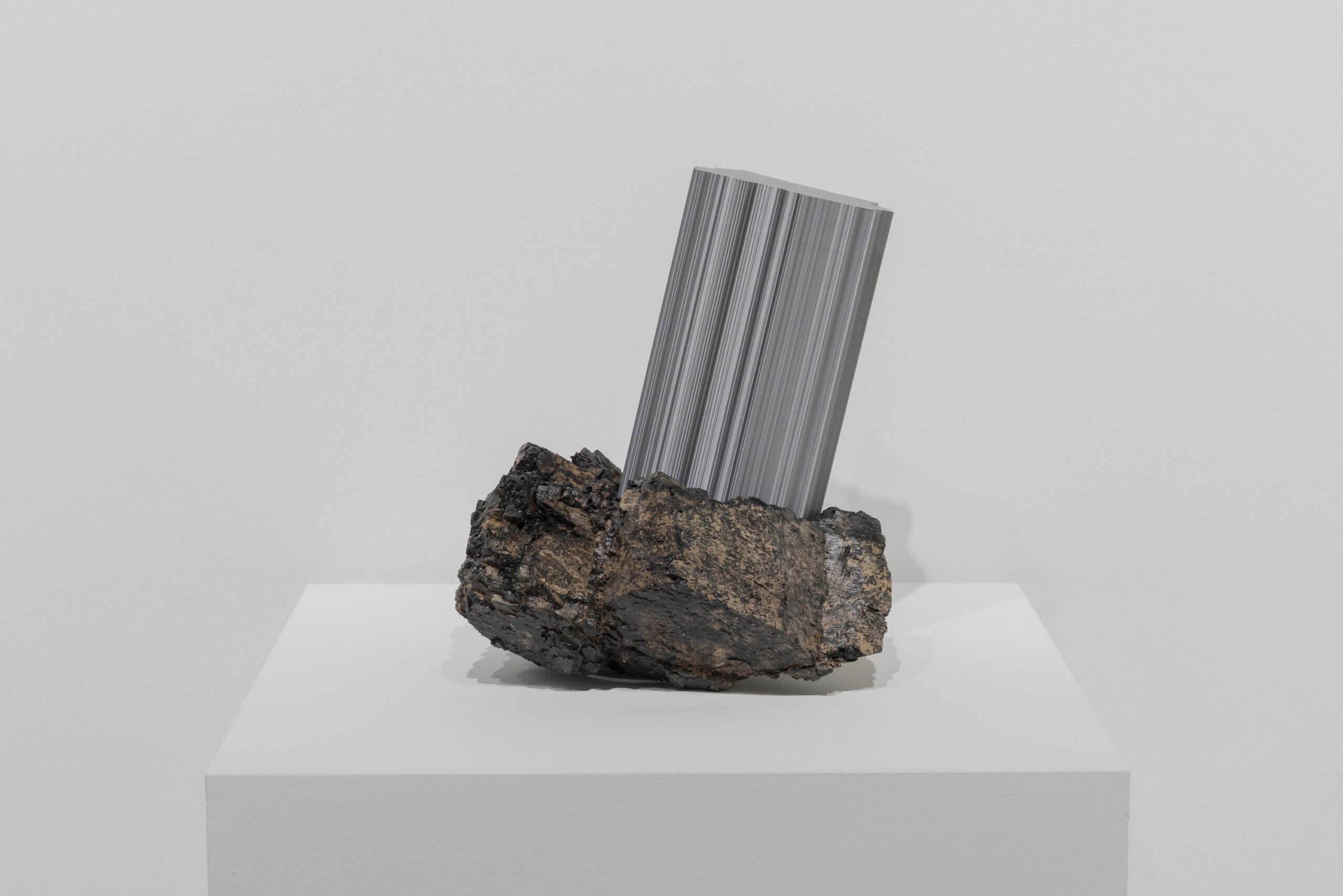
Mining
2026
Coal seam, putty, ABS resin, and UV-blocking clear coat
H27 × W28 × D23 cm / H10.6 × W11.0 × D9.1 in
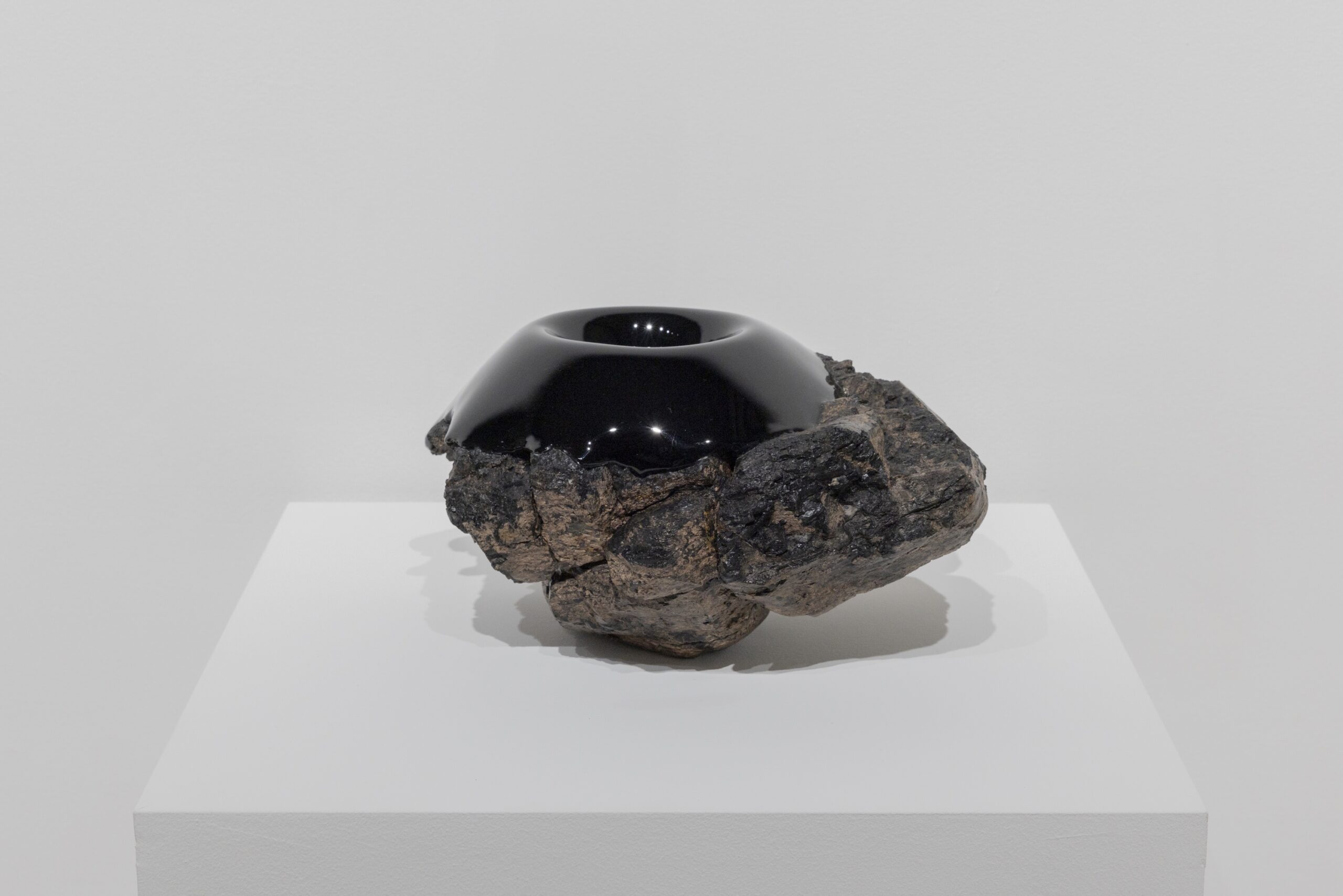
Mining
2026
Coal seam, urethane resin, putty, urethane coating, and UV-blocking clear coating
H16 × W32 × D25 cm / H6.3 × W12.6 × D9.8 in
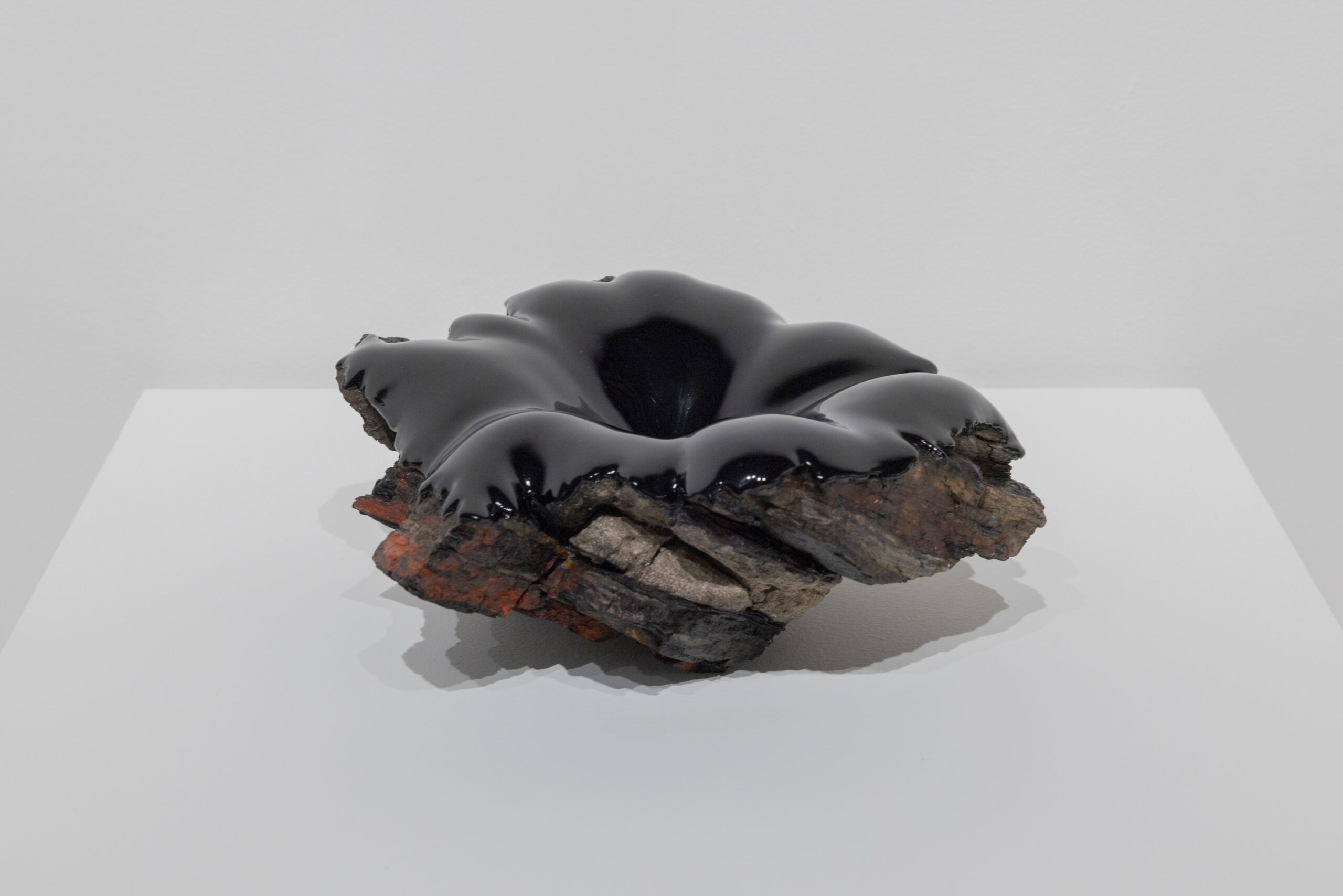
Mining
2026
Coal seam, urethane resin, putty, urethane coating, and UV-blocking clear coating
H10 × W24 × D24 cm / H3.9 × W9.4 × D9.4 in
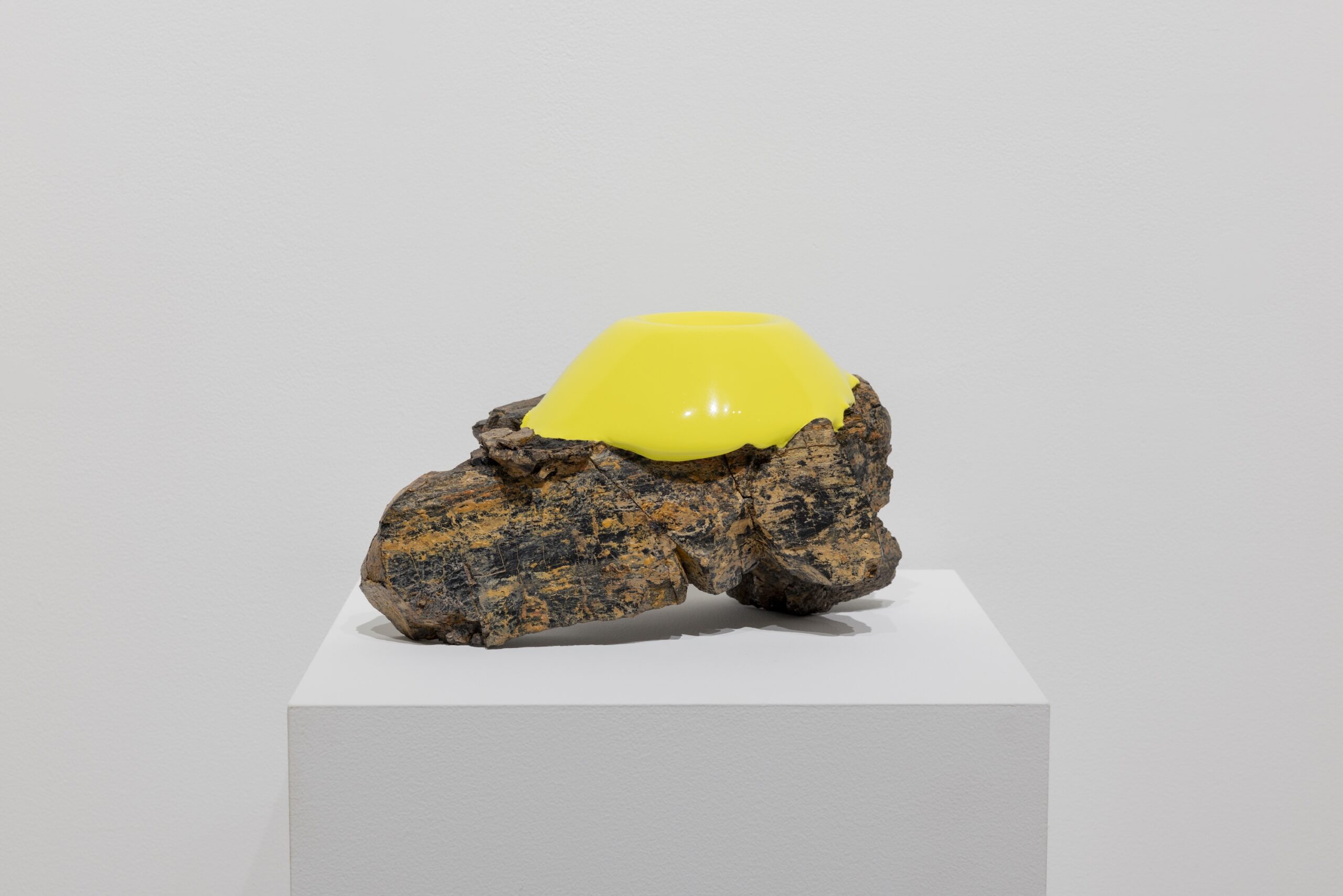
Mining
2026
Coal seam, urethane resin, putty, urethane coating, and UV-blocking clear coating
H15 × W27.5 × D20 cm / H5.9 × W10.8 × D7.9 in
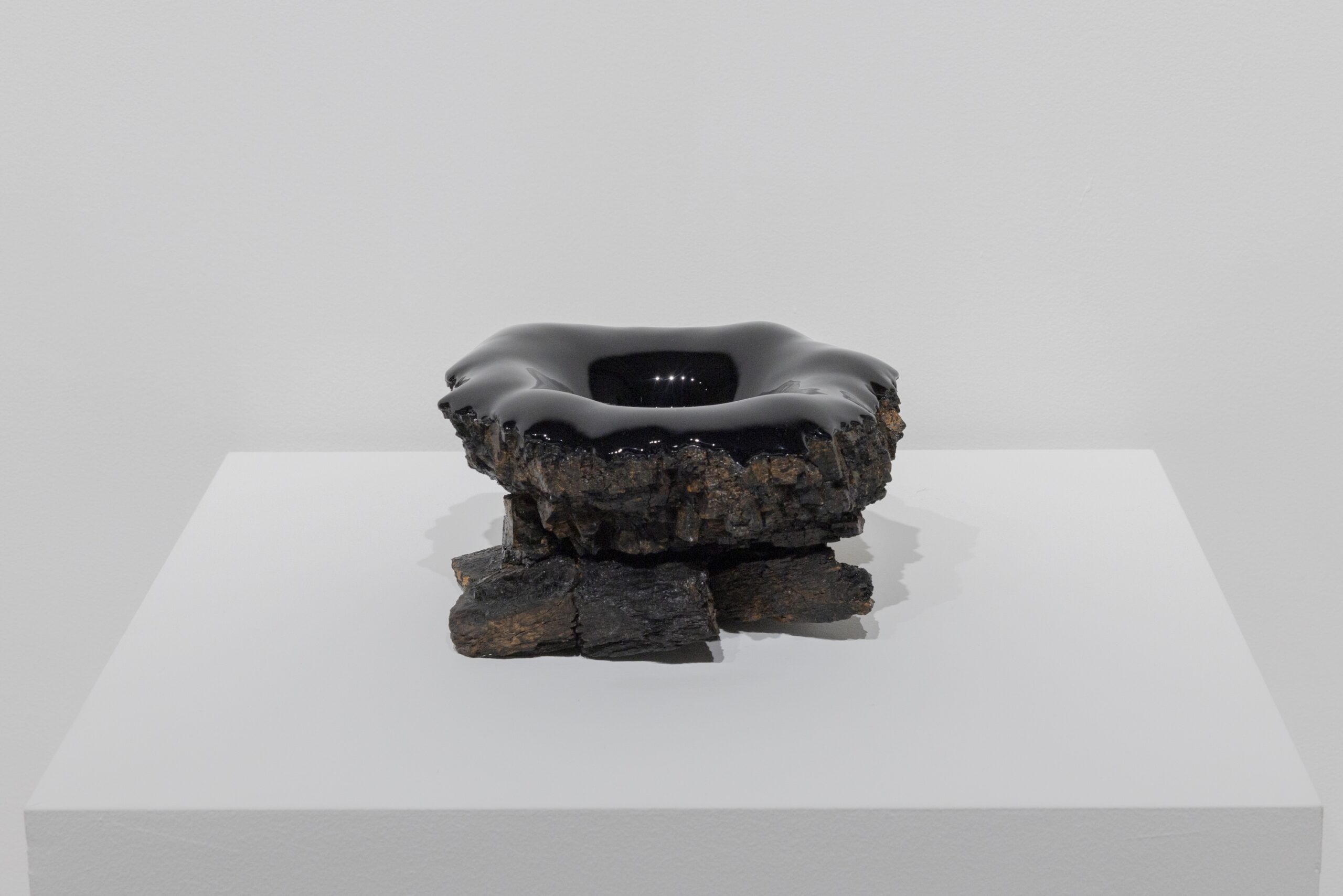
Mining
2026
Coal seam, urethane resin, putty, urethane coating, and UV-blocking clear coating
H11 × W20 × D20 cm / H4.3 × W7.9 × D7.9 in
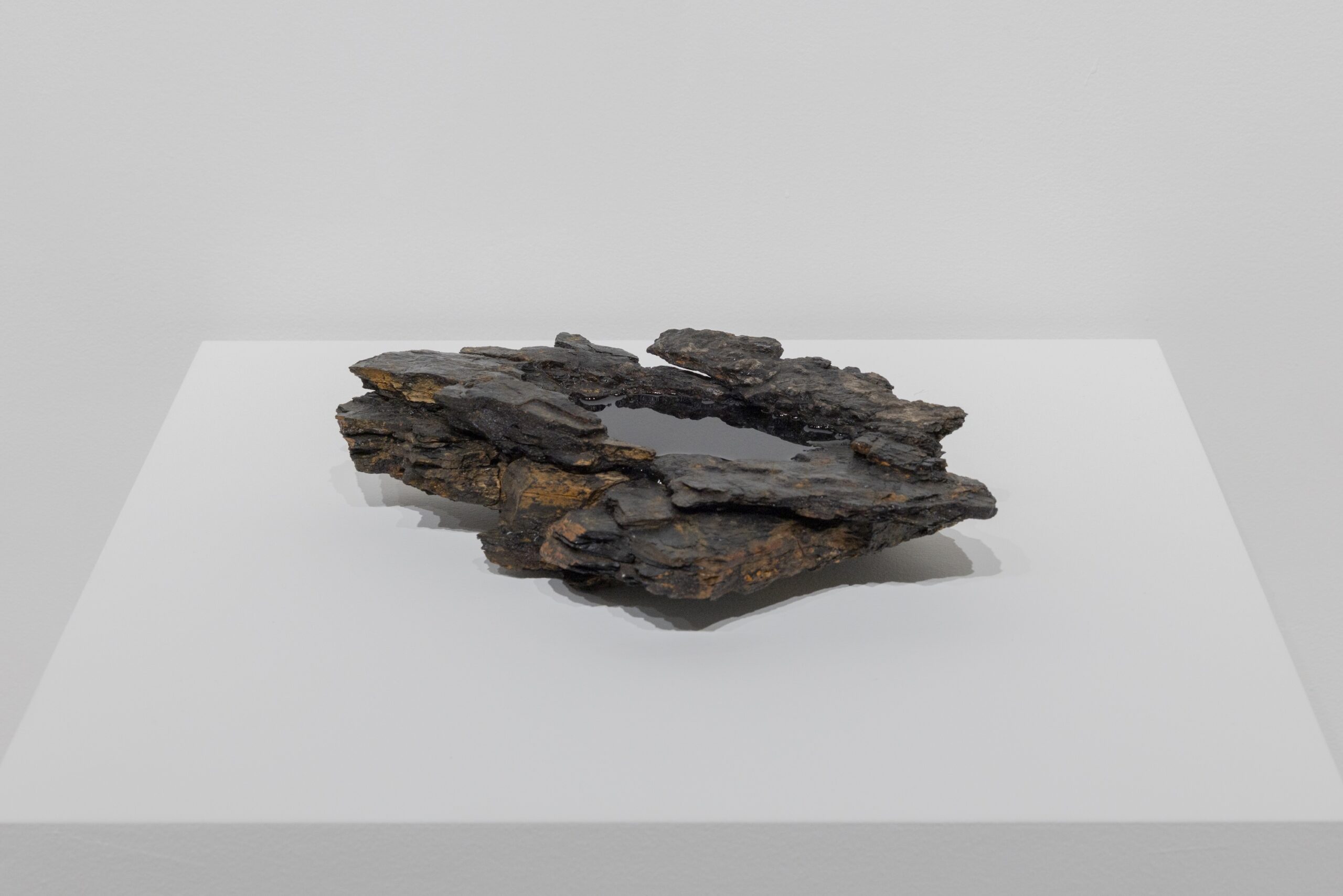
Mining
2026
Coal seam, epoxy resin, and UV-blocking clear coating
H6.5 × W28 × D17.5 cm / H2.6 × W11.0 × D6.9 in
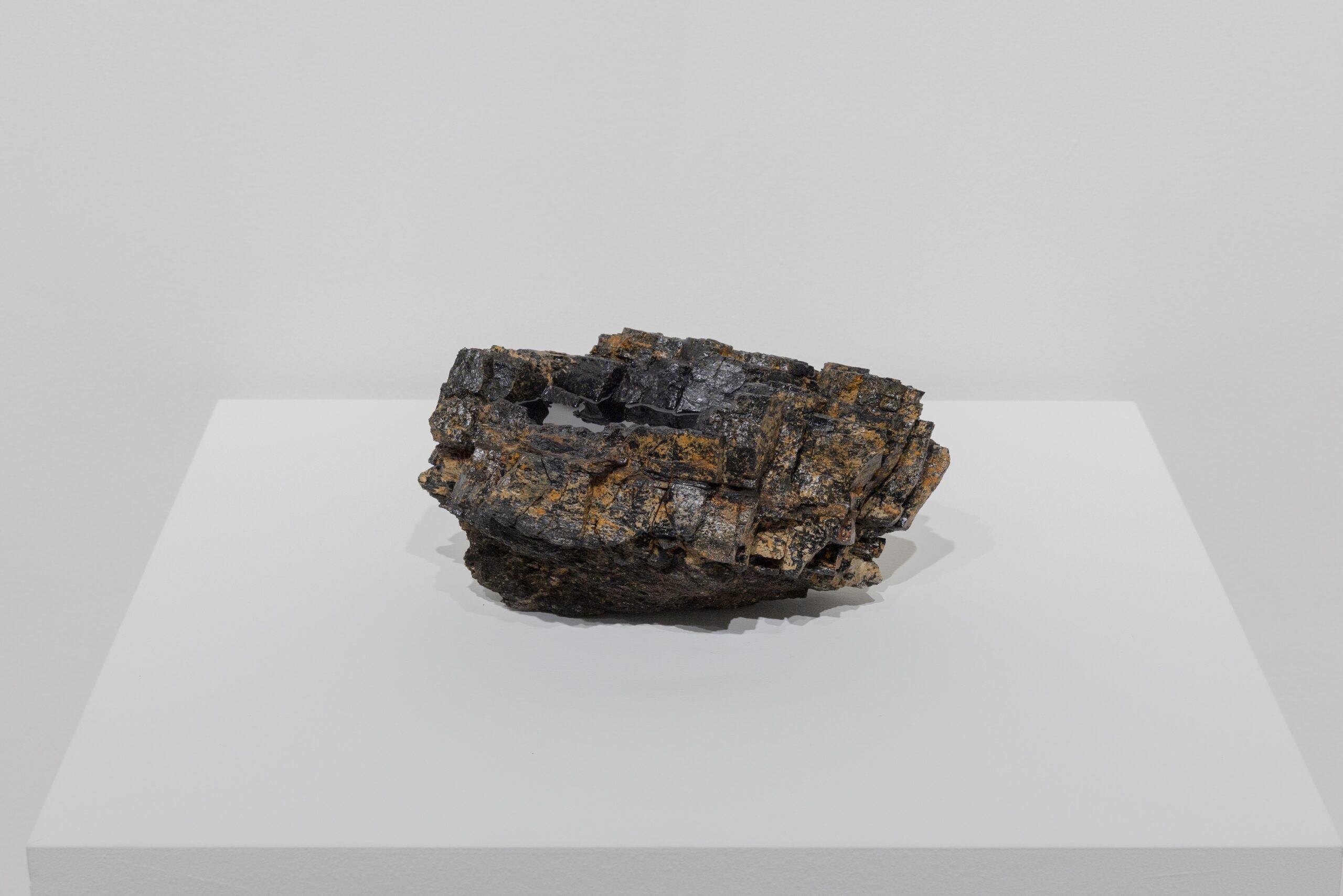
Mining
2026
Coal seam, epoxy resin, and UV-blocking clear coating
H11.5 × W21 × D15 cm / H4.5 × W8.3 × D5.9 in
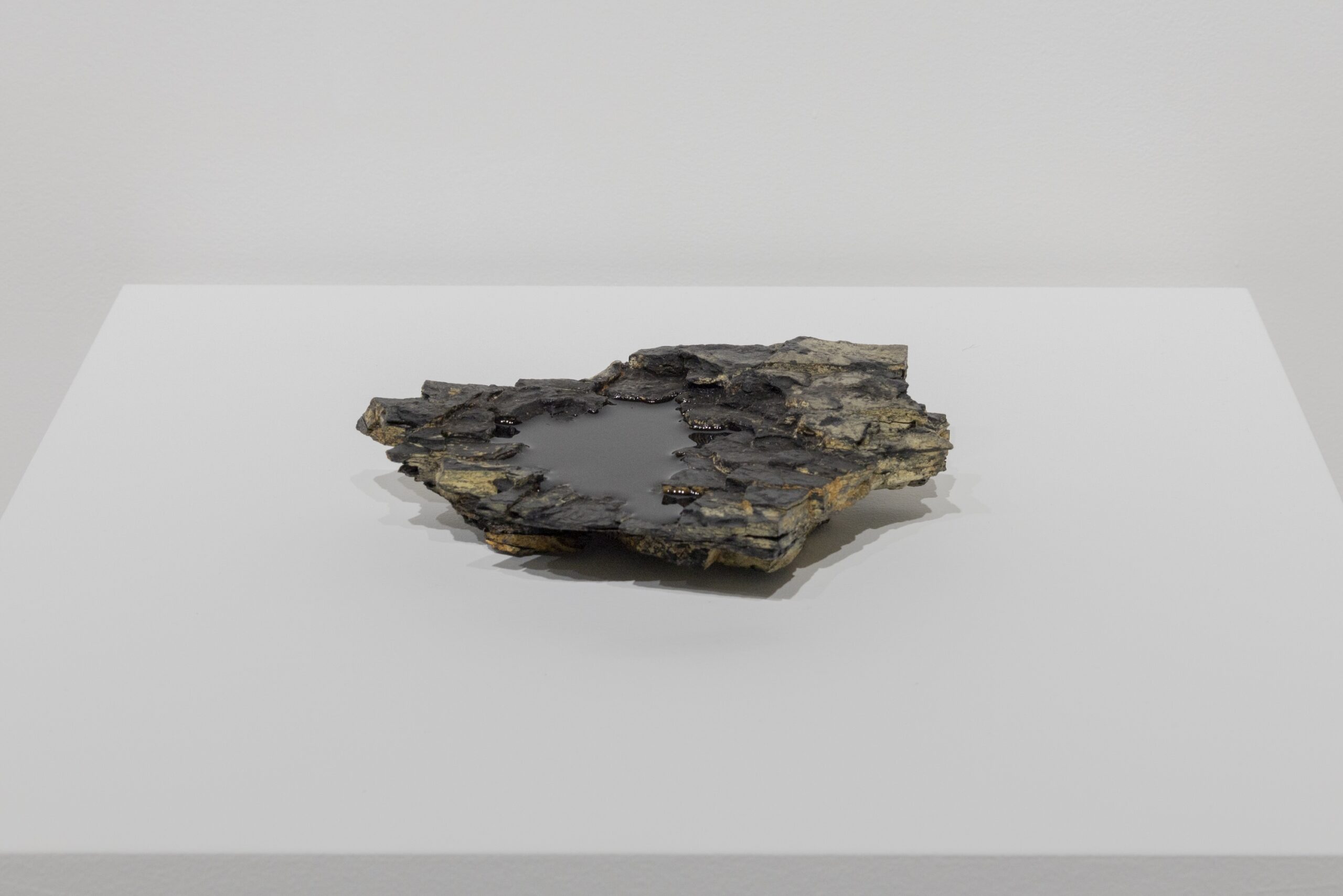
Mining
2026
Coal seam, epoxy resin, and UV-blocking clear coating
H5 × W19 × D15.5 cm / H2.0 × W7.5 × D6.1 in