July 2026 Teppei Miyake No Signal
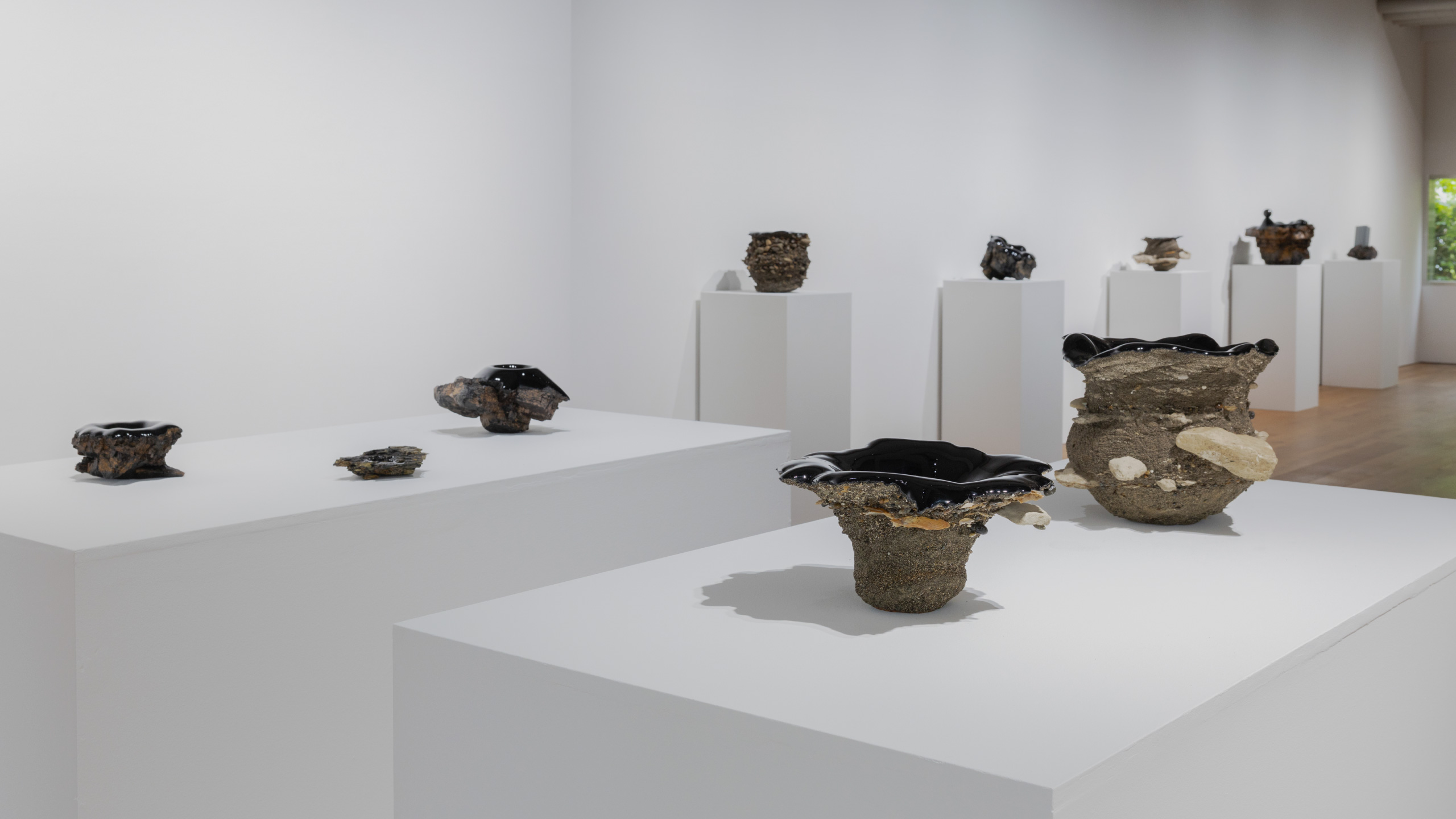
LURF GALLERY 1F is pleased to announce the solo exhibition "No Signal" by artist Teppei Miyake.
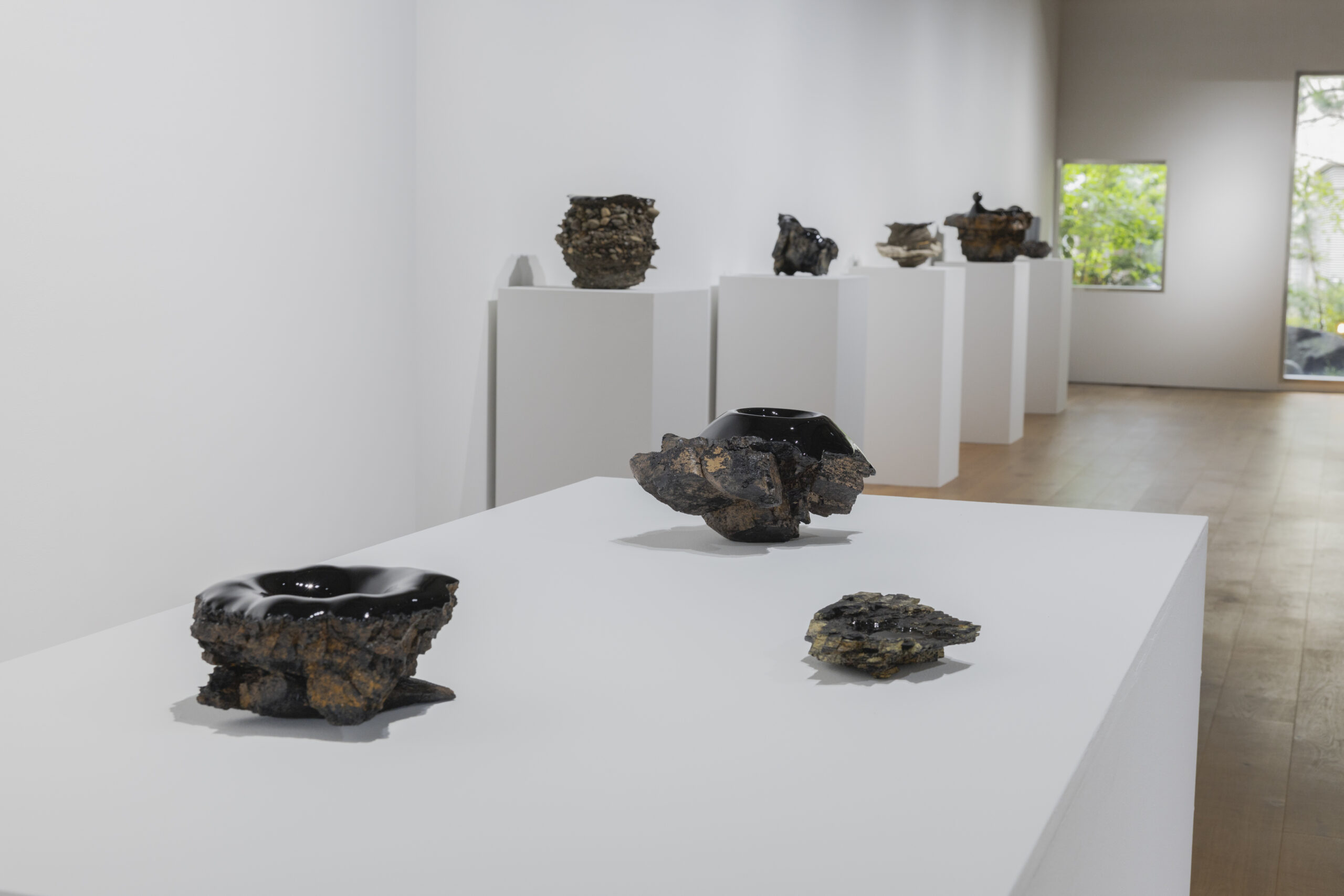
Miyake has long examined the time and history that lie behind our everyday lives through geological and mineral cross-sections inscribed in the land.
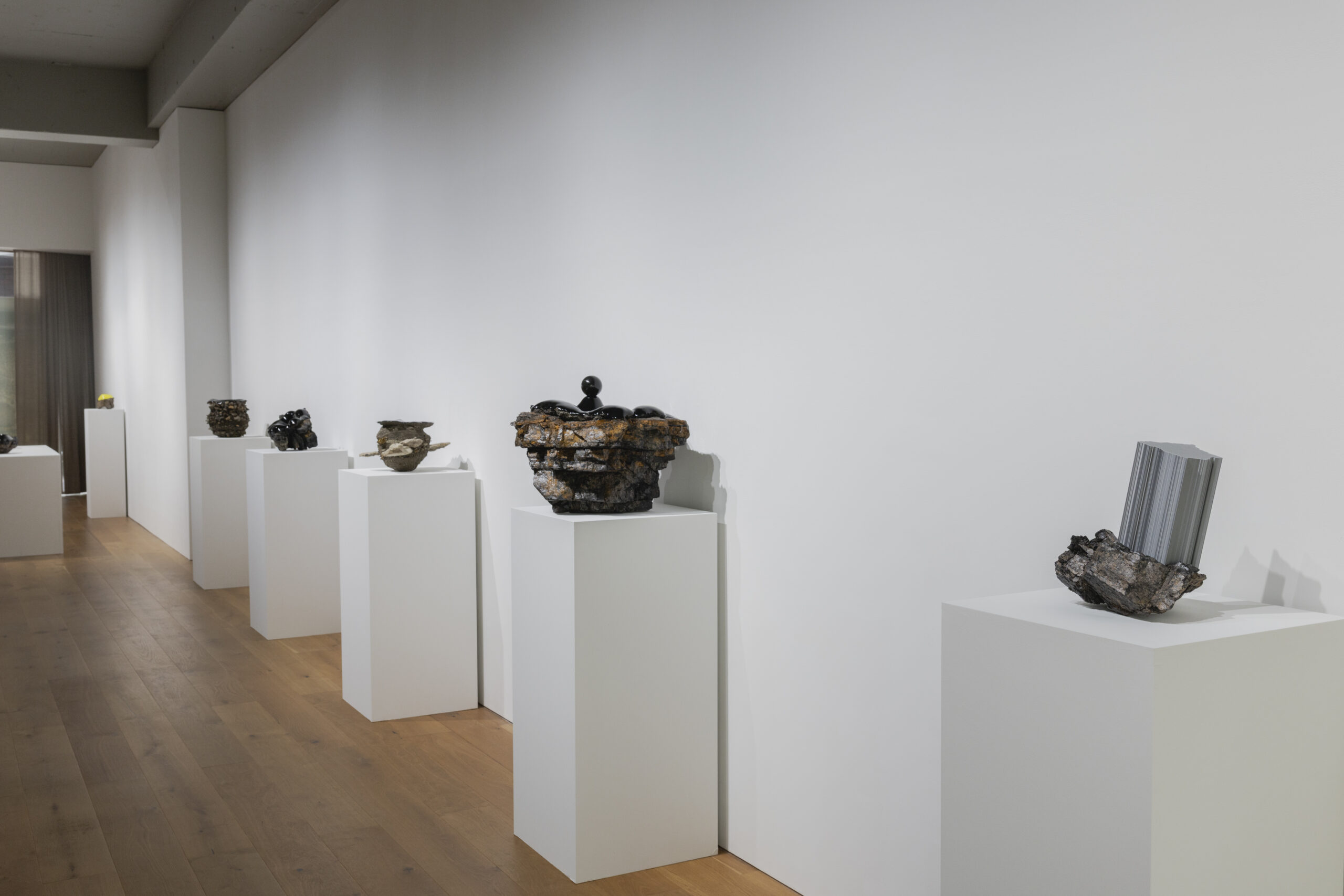
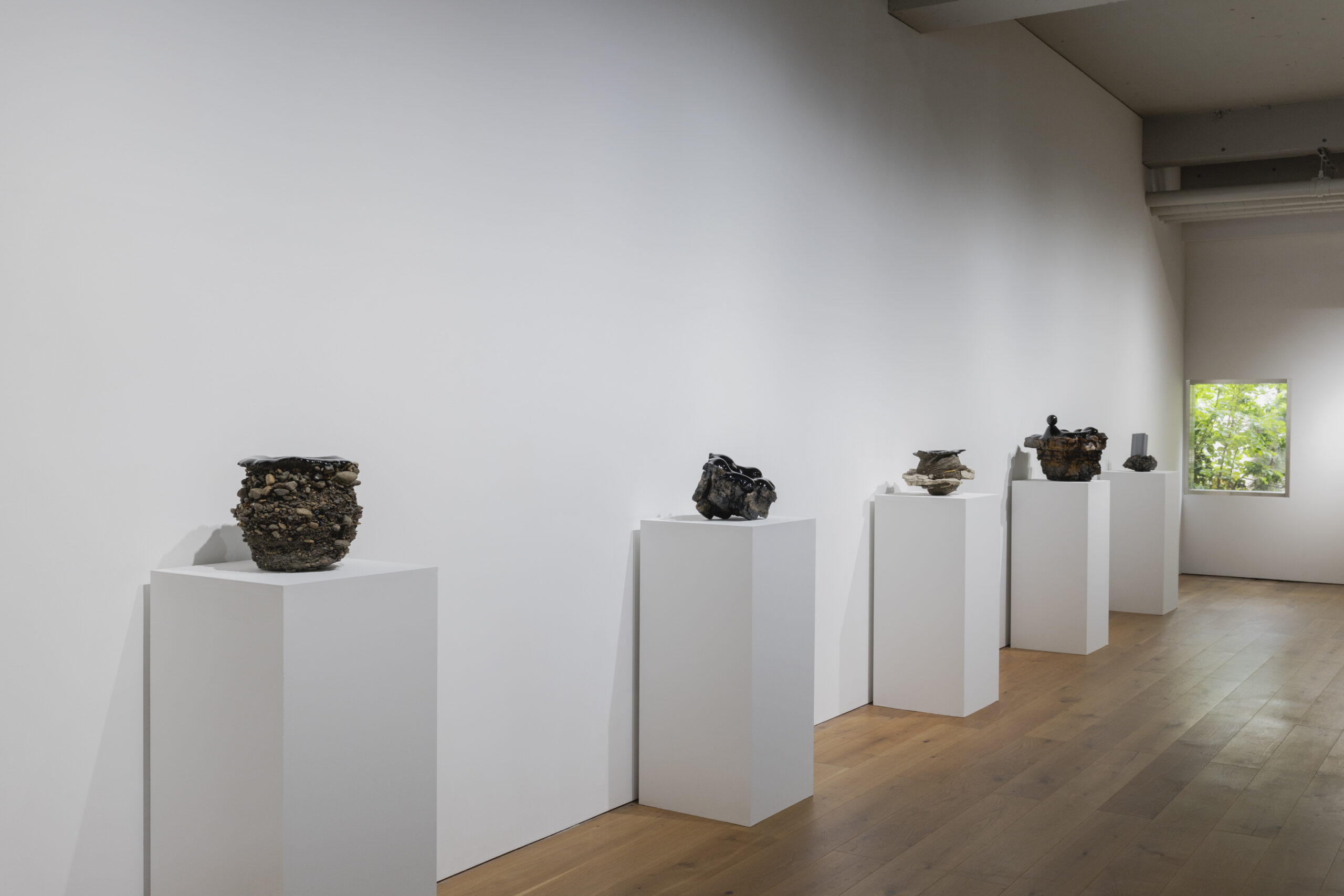
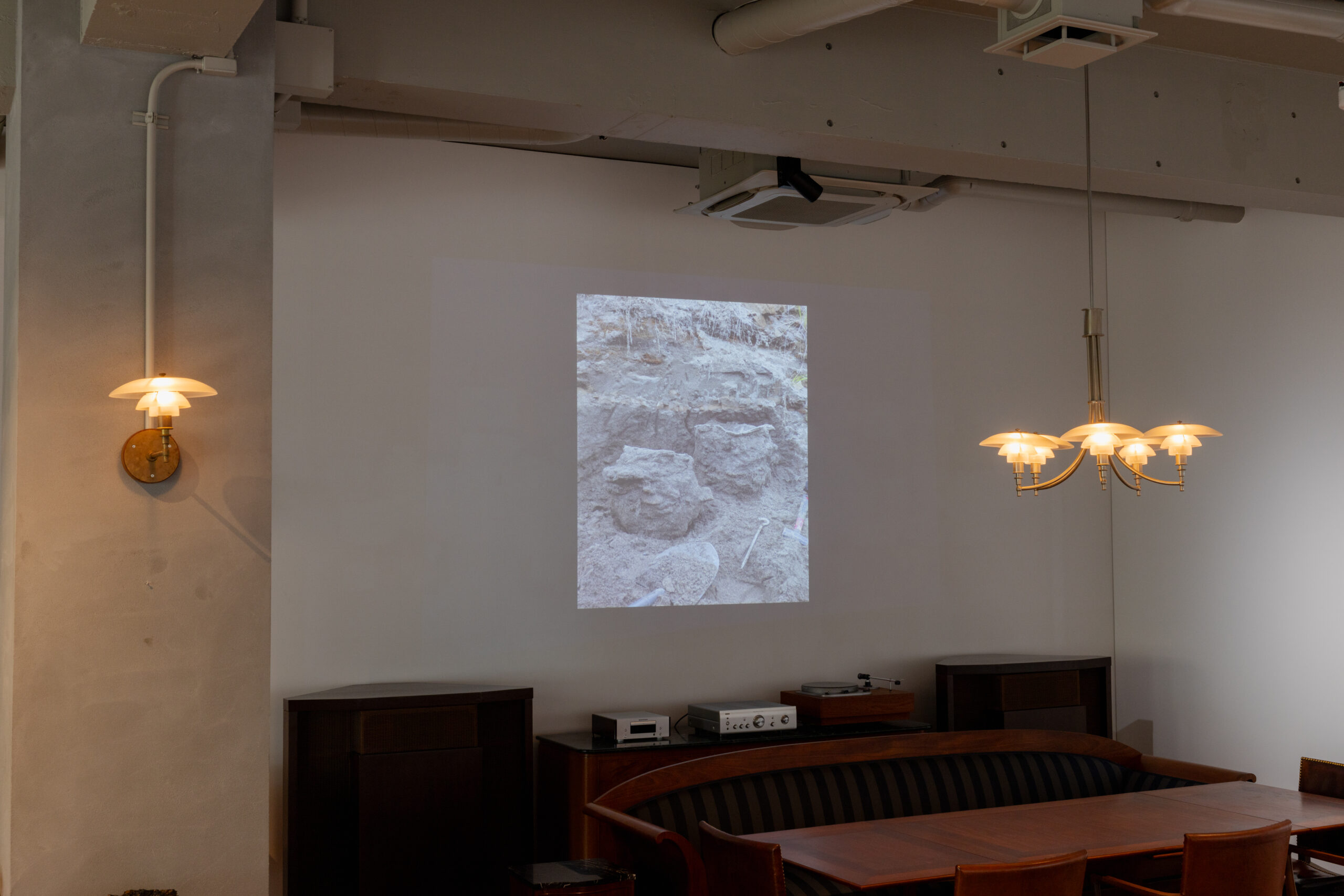
In this exhibition, he explores sites where the long duration of nature and human activity overlap, focusing on the coal seams of Iizuka City in Fukuoka Prefecture and the strata of mountain sand in central Chiba Prefecture.
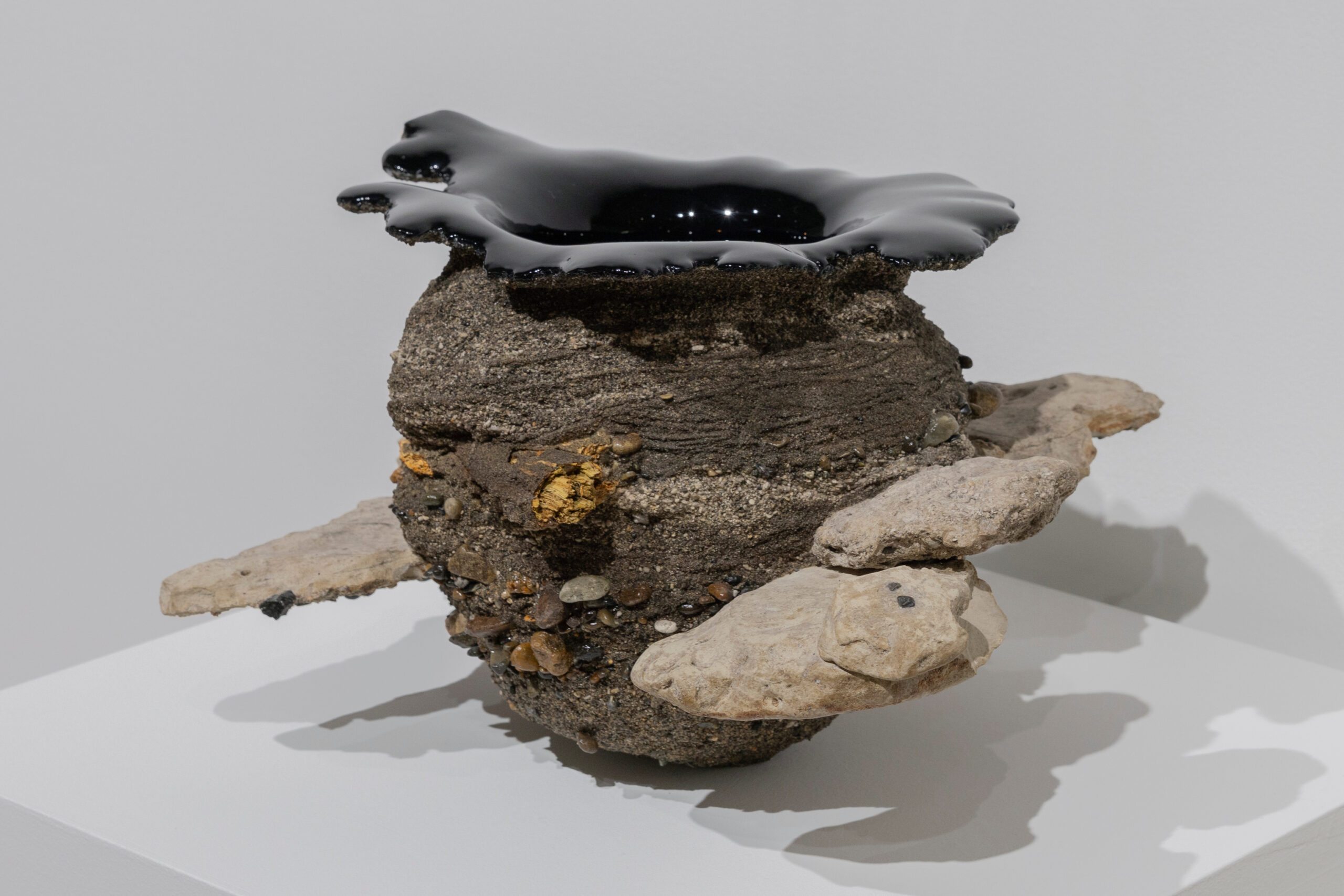
Coal is the transformed remains of plants from tens of millions of years ago, and also a resource that supported Japan's modernization. Chiba's mountain sand, meanwhile, supported urban development in the Tokyo metropolitan area, while its extraction dramatically altered the landscape itself. Tracing the time and history embedded in these materials, Miyake's works bring into view the layered intersections of time and land that lie behind the present on which we stand.
The title No Signal carries the idea of actively engaging with what lies outside the range of our perception and concern. In today's world, surrounded as we are by information, the exhibition finds new possibilities for awareness and discovery in the time, history, and presence of others that exist beyond that range. We hope you will take this opportunity to experience Miyake's world of works, where time, land, and history intersect.
EXHIBITION OVERVIEW
Teppei Miyake Solo Exhibition: “No Signal”
-
DATES
July 3, 2026(Fri.) – August 3, 2026(Mon.)
-
VENUE
LURF GALLERY 1F
-
HOURS
11:00 – 19:00
-
ADDRESS
Roob1, 28-13 Sarugakucho, Shibuya-ku, Tokyo 150-0033, Japan
STATEMENT
I began digging into "strata" because I was making gravestones.
In Japan, funerary rites—shaped by the Edo-period danka system—have long provided the framework through which the presence of the dead is defined, in what is often called "funeral Buddhism." Yet with shifts in religious sensibilities, increasing individualization, and a declining and aging population, I found myself wanting to reconsider how absence might be expressed in Japan today. That impulse is what first led me to make gravestones.
What I unexpectedly confronted in the process, however, was the fact of forgetting—and the self-evident truth that countless dead lie buried, while most of us, too, will eventually be forgotten. The act of "digging into strata" began as an attitude toward an invisible, immense history: a way of seeking how to confirm the existence of those innumerable ones who can no longer exist.
In 1788, the geological time that James Hutton discovered through the unconformity at Siccar Point—deep time—was not a "past" within human temporal perception, but the discovery of an outside that cannot be recalled. And yet, strata, like us, possess their own histories down to each single grain of sand. What appears to humans as a result is, in deep time, a process; weathering is becoming; it is not forgetting, but transformation.
Just as the calcium that composes our bones once drifted in the sea as foraminifera, and just as the iron in our blood was forged by stellar explosions, we quite literally stand upon deep time. Perhaps we find beauty—and a slight consolation—in strata because, living as we do within overwhelmingly short spans of time, we are, through them, touching a self that exists within a deep time where there is no concept of loss. If we dig beneath our feet, strata teach us that it is certainly there.
Teppei Miyake
ART WORKS
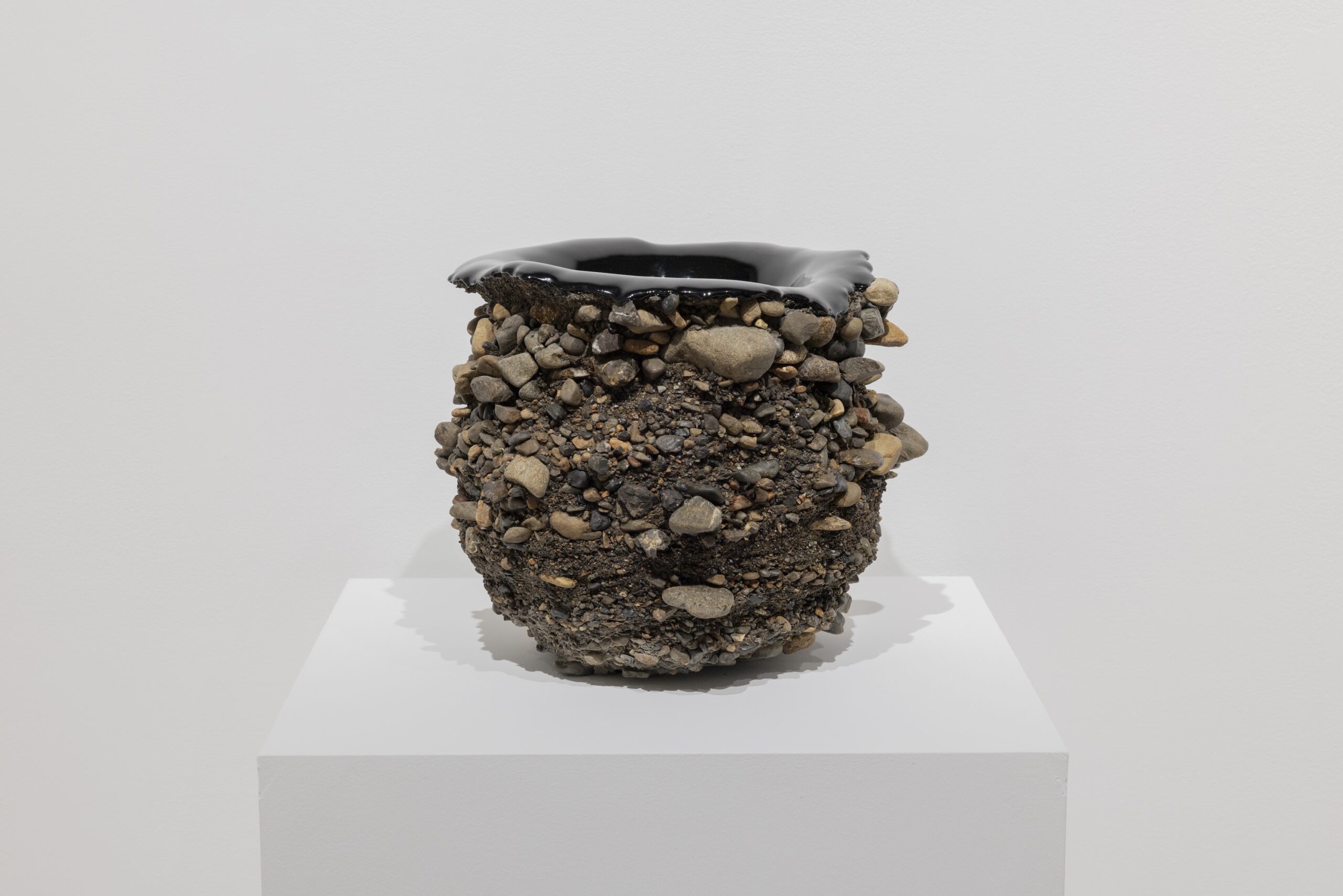
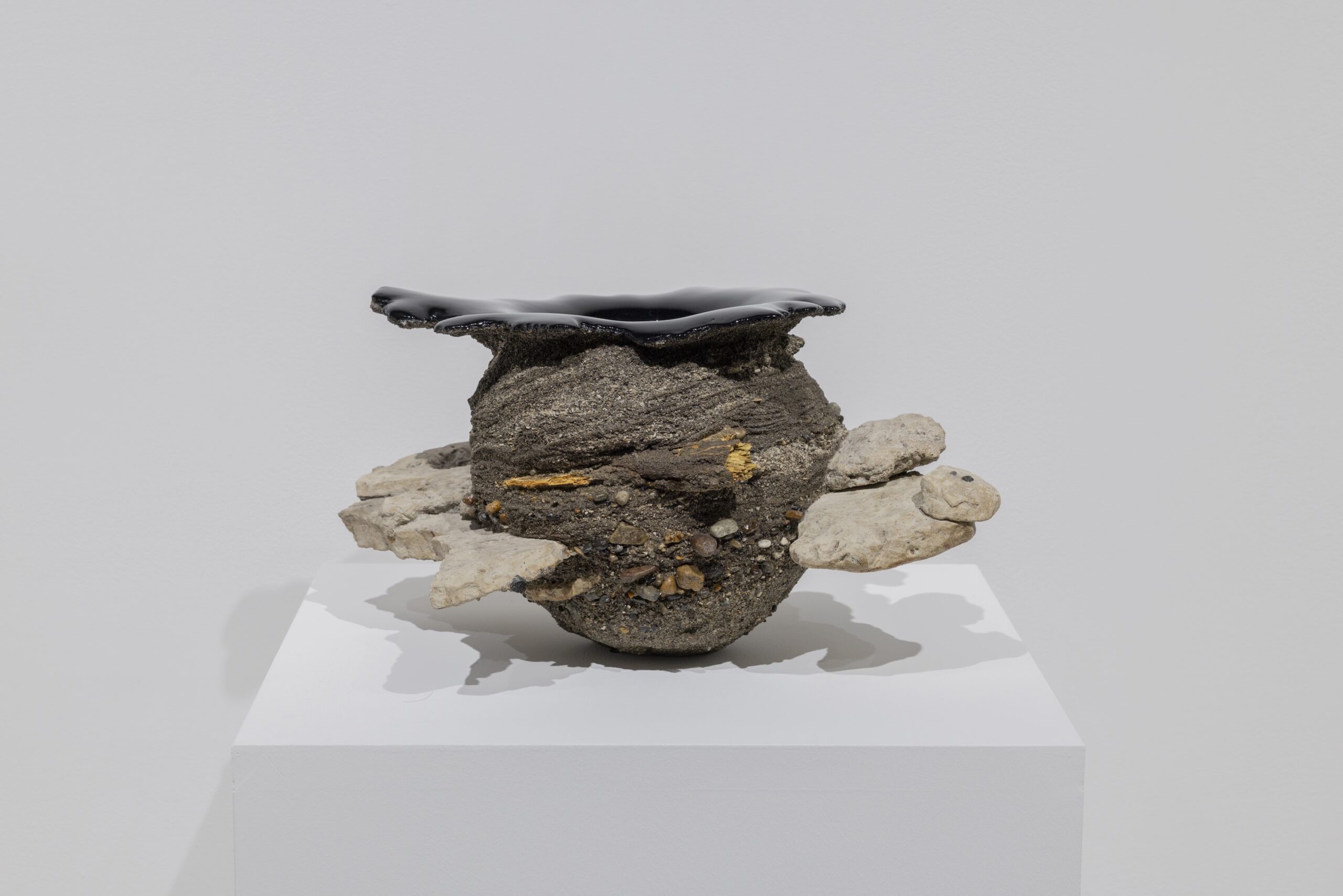
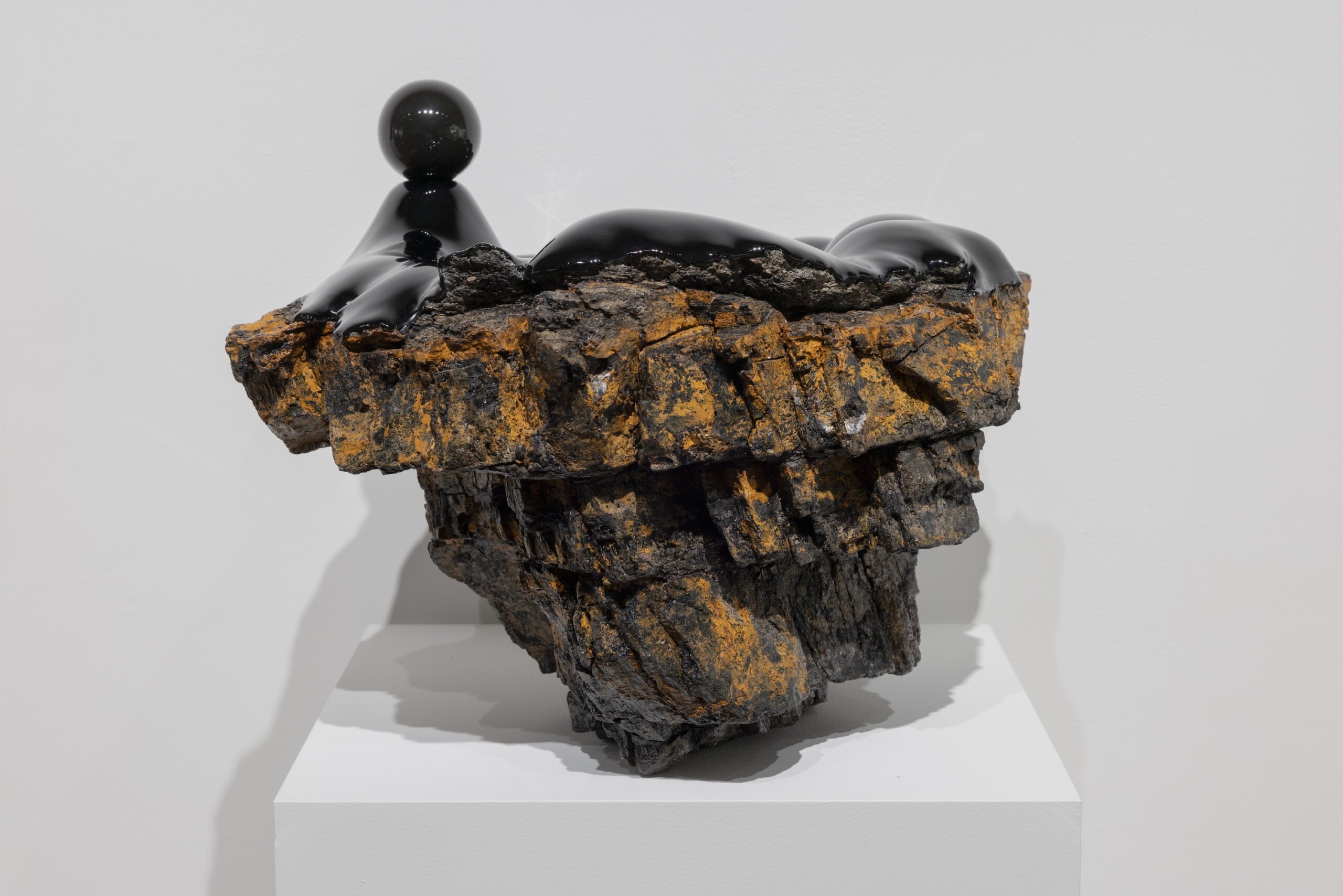
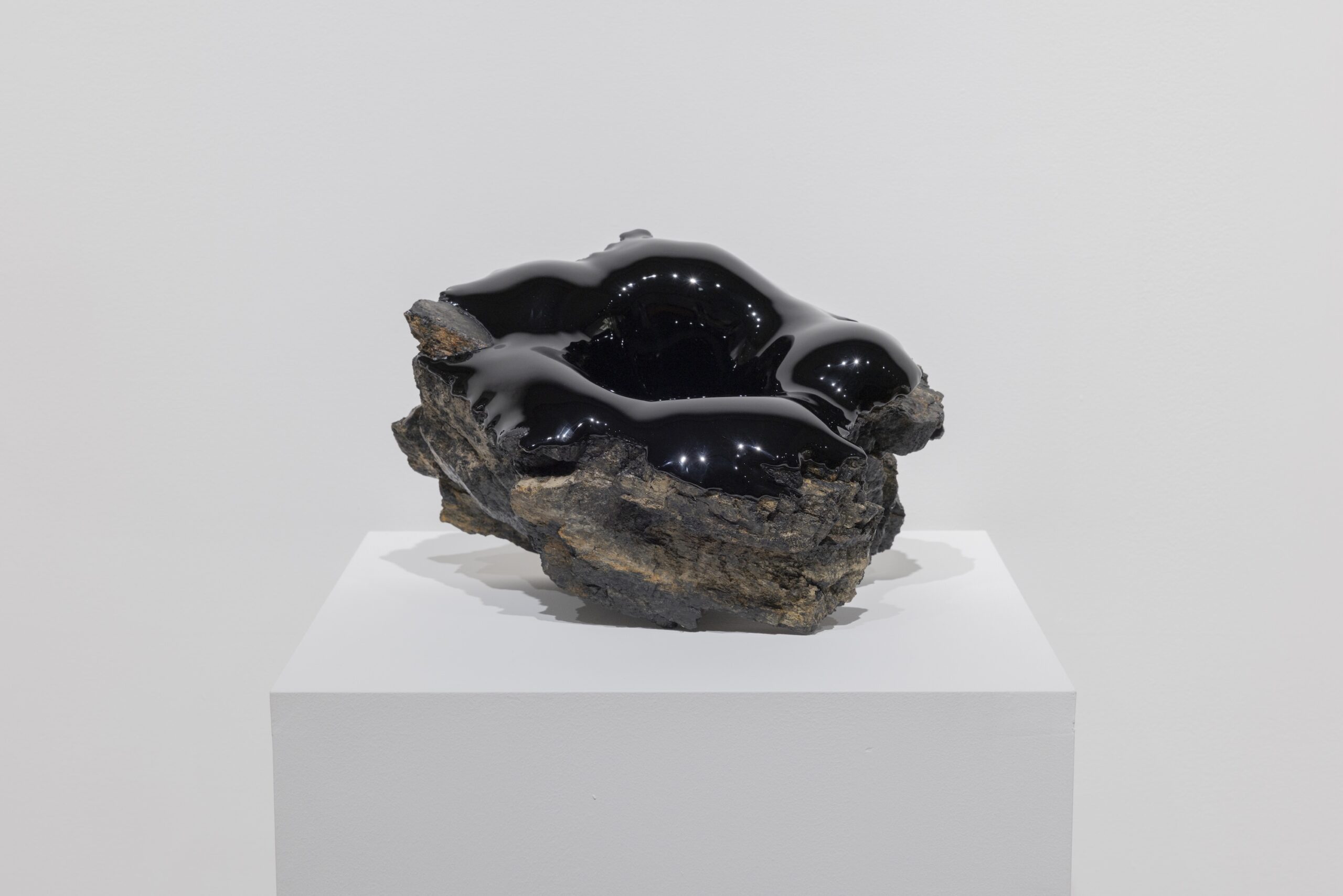
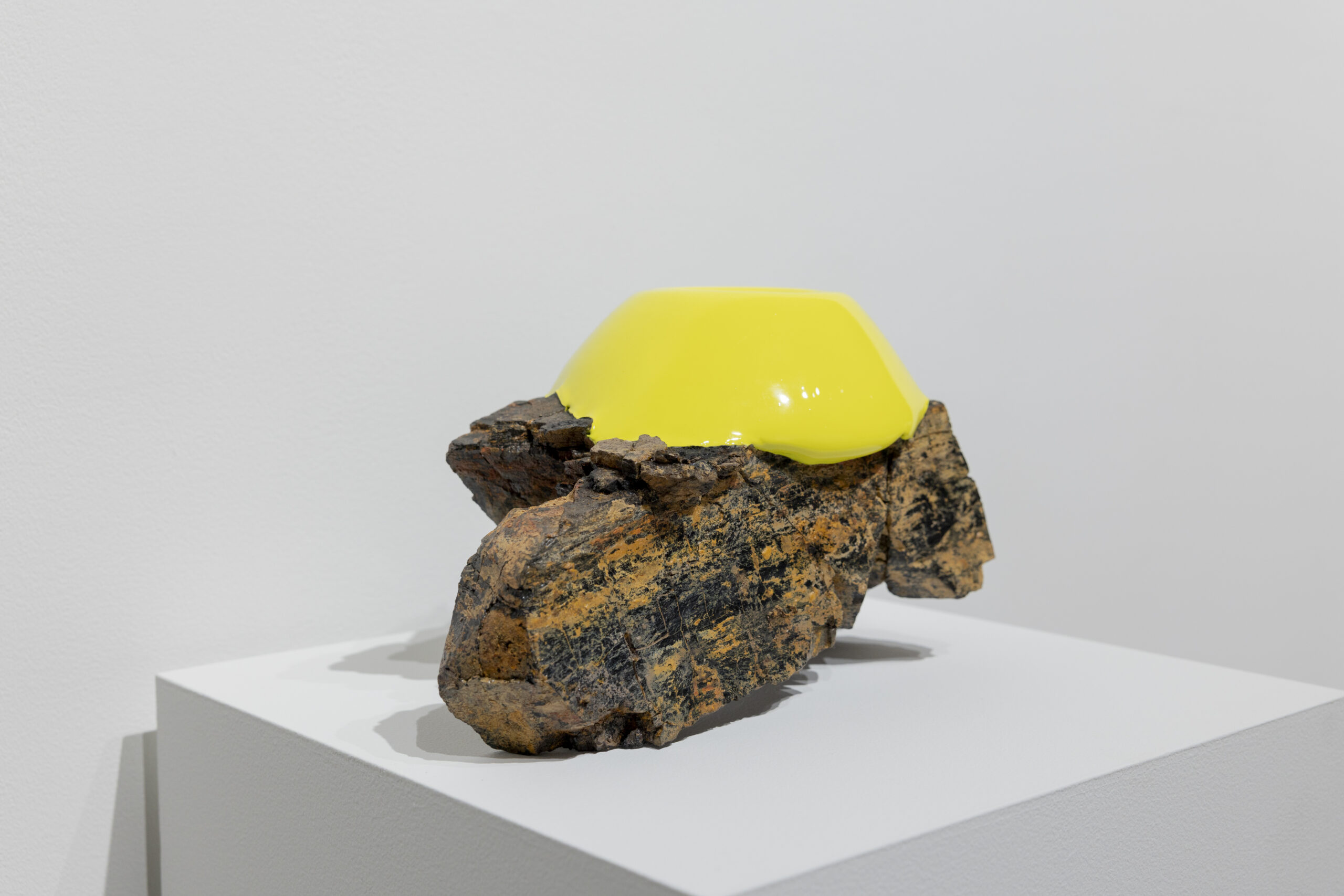
Mining
2026
Coal seam, urethane resin, putty, urethane coating, and UV-blocking clear coating
H22 × W35 × D28 cm / H8.7 × W13.8 × D11.0 in
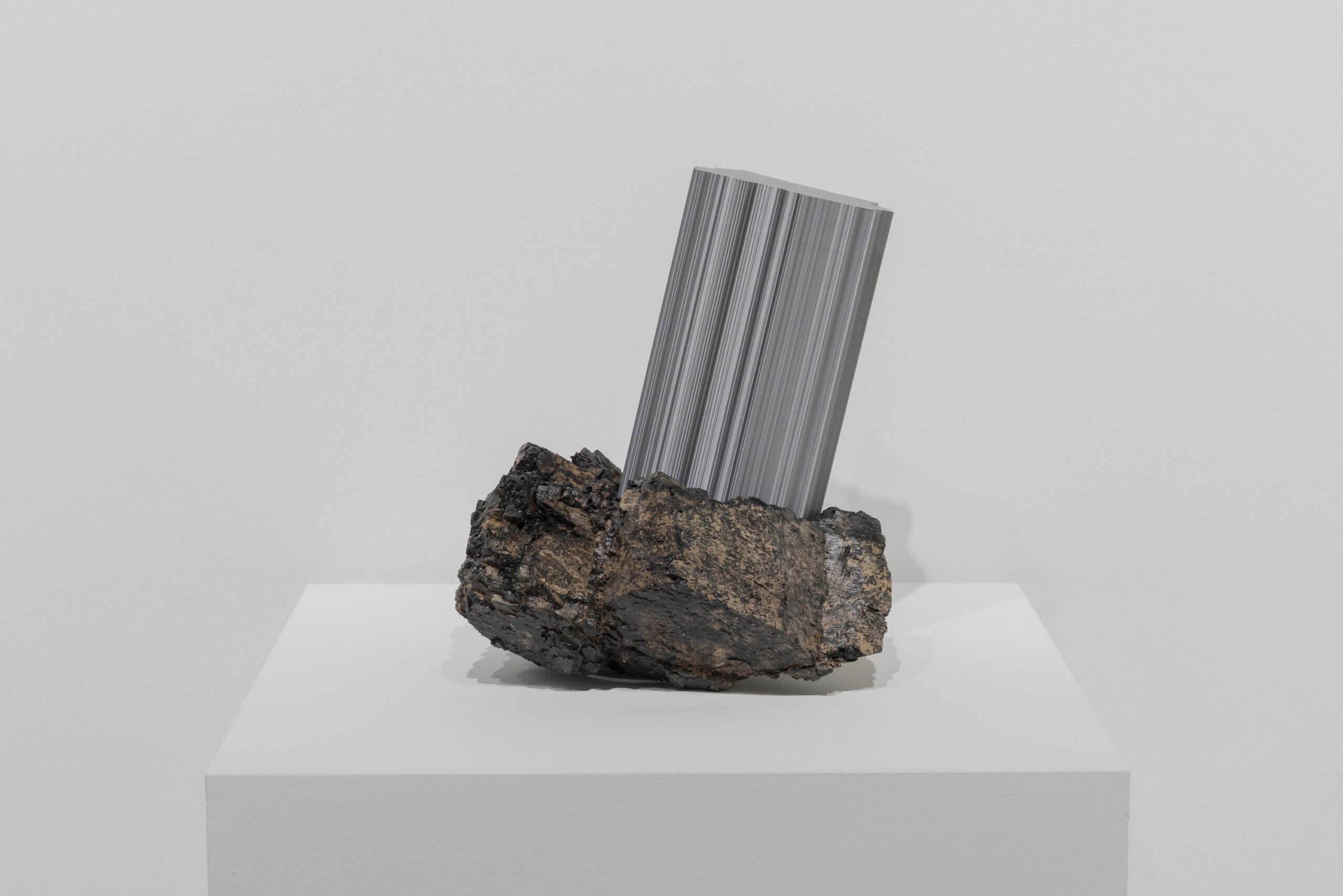
Mining
2026
Coal seam, putty, ABS resin, and UV-blocking clear coat
H27 × W28 × D23 cm / H10.6 × W11.0 × D9.1 in
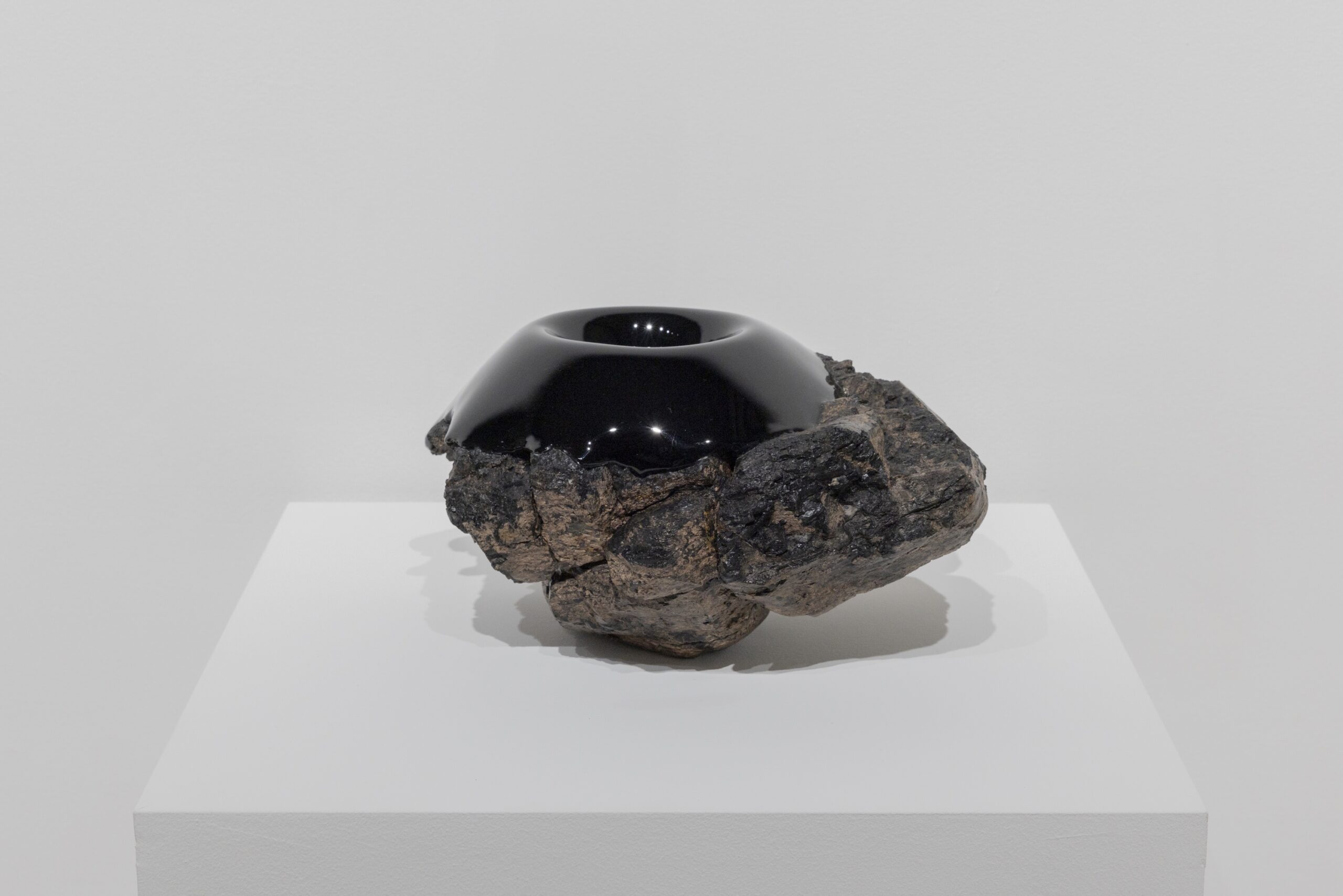
Mining
2026
Coal seam, urethane resin, putty, urethane coating, and UV-blocking clear coating
H16 × W32 × D25 cm / H6.3 × W12.6 × D9.8 in
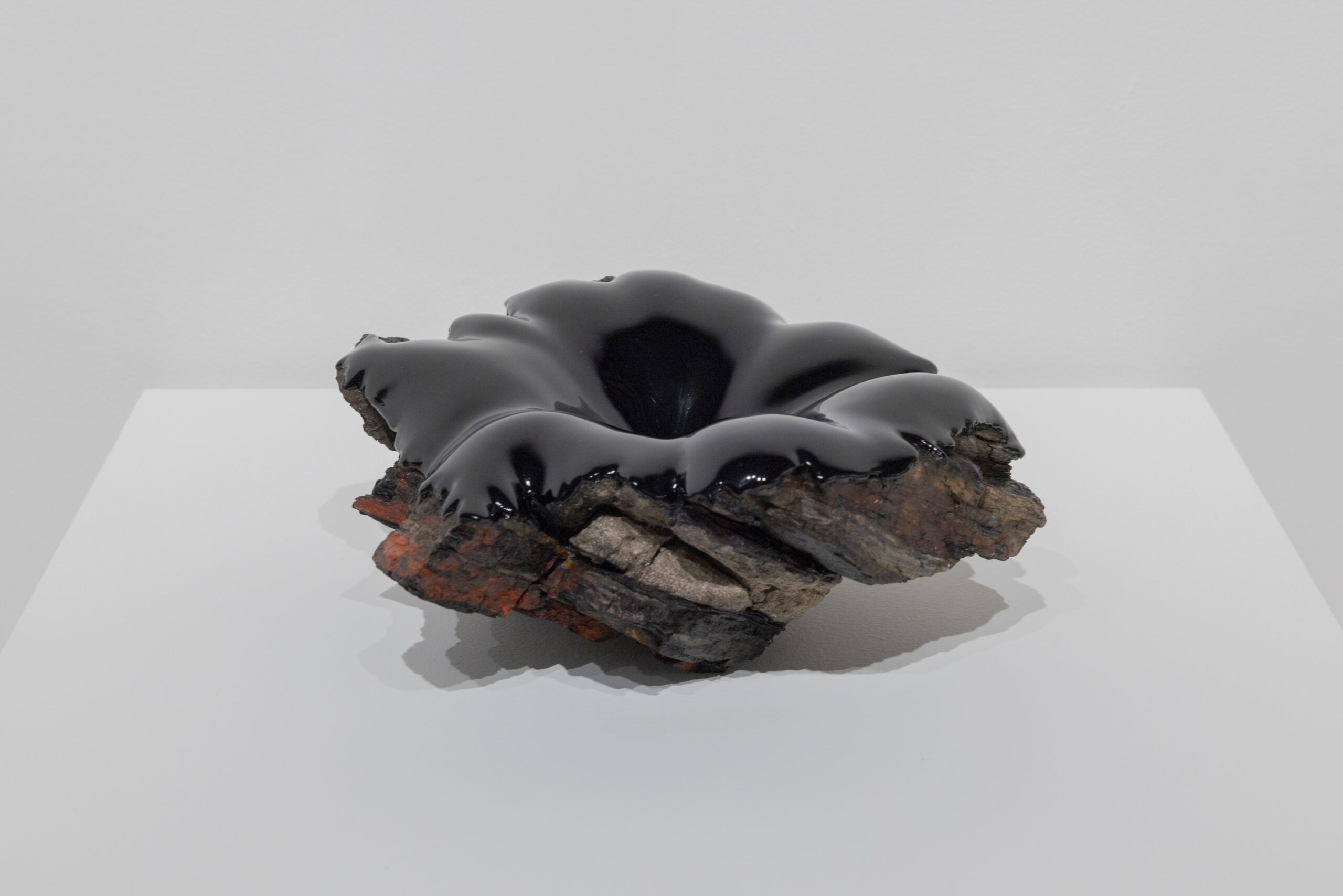
Mining
2026
Coal seam, urethane resin, putty, urethane coating, and UV-blocking clear coating
H10 × W24 × D24 cm / H3.9 × W9.4 × D9.4 in
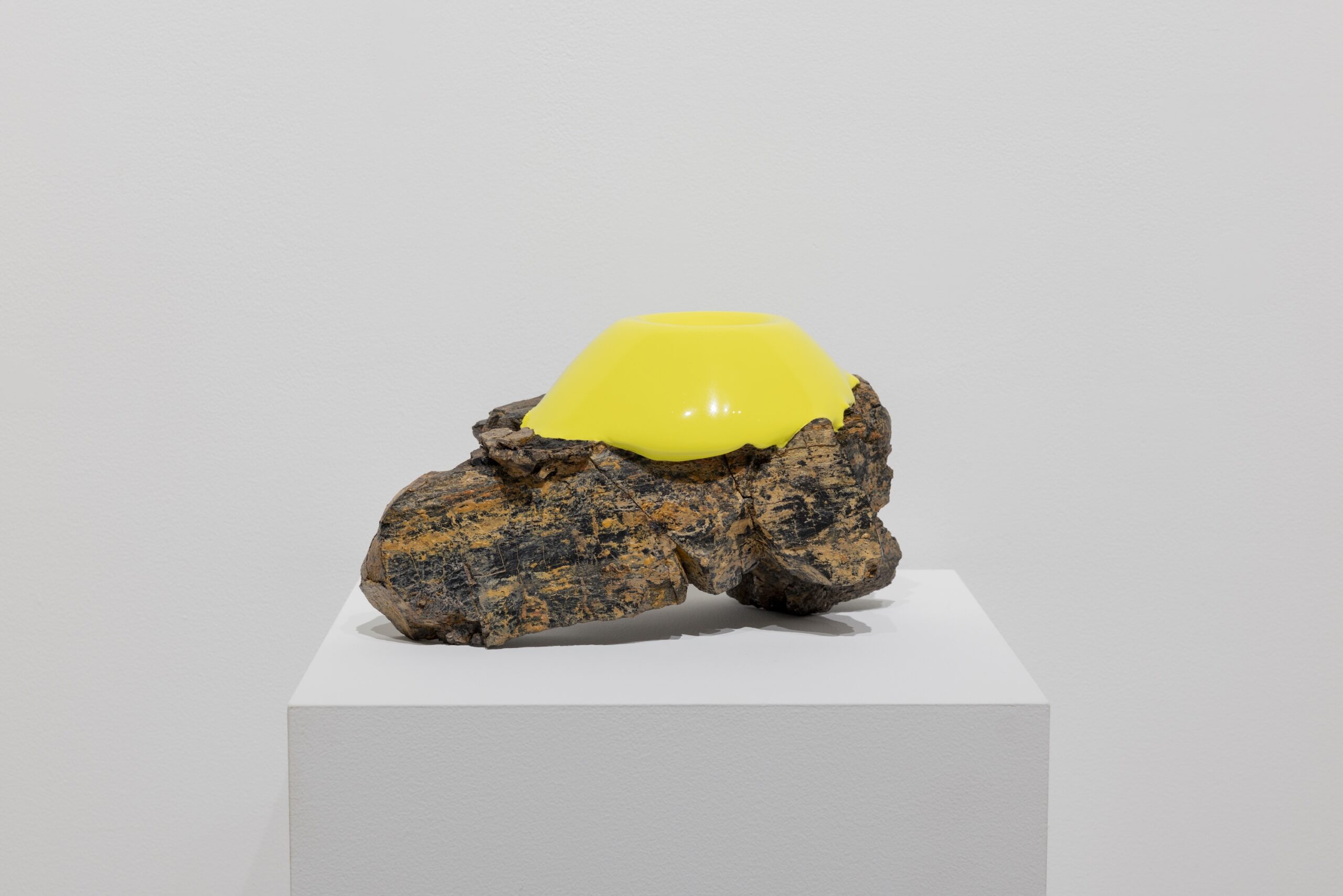
Mining
2026
Coal seam, urethane resin, putty, urethane coating, and UV-blocking clear coating
H15 × W27.5 × D20 cm / H5.9 × W10.8 × D7.9 in
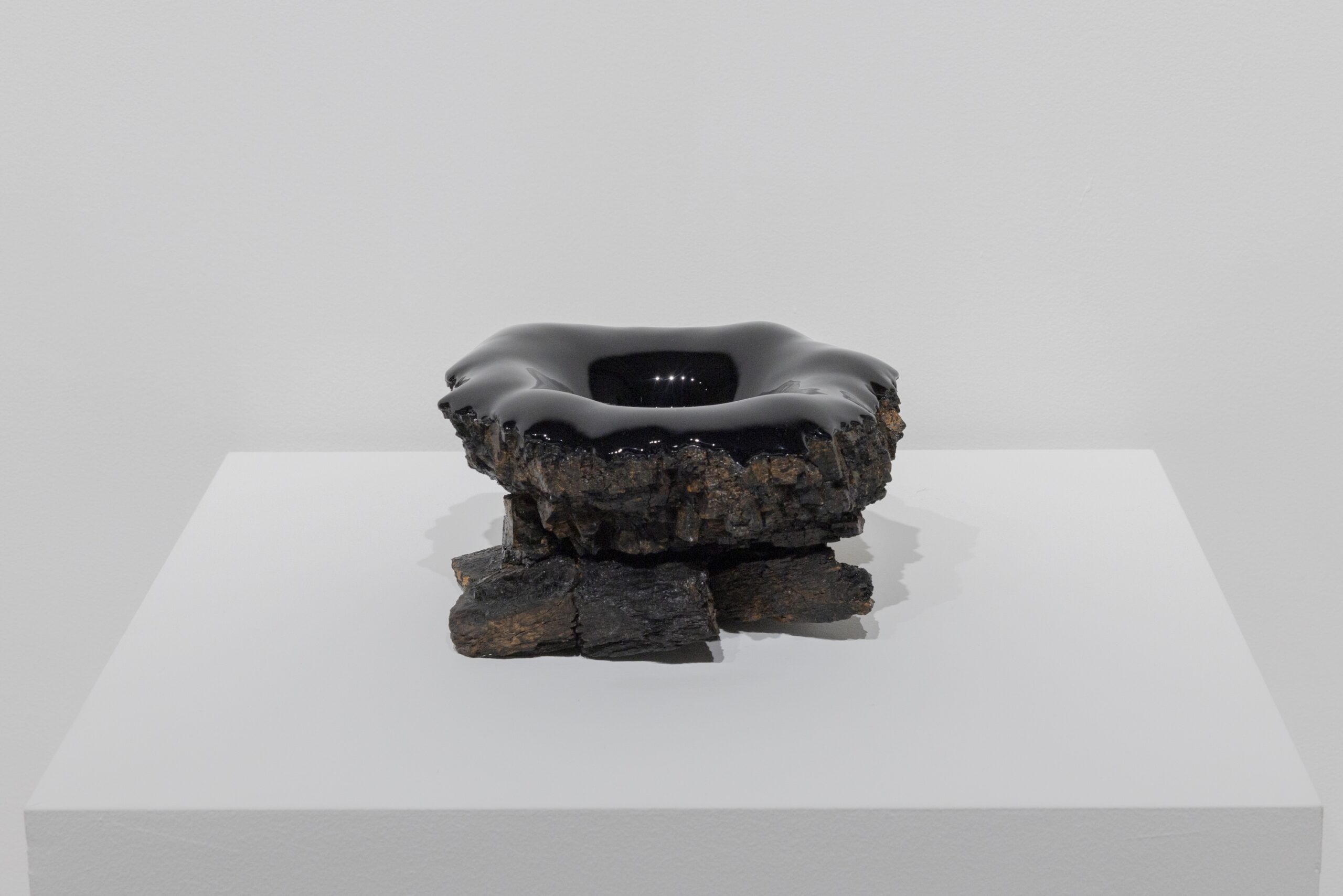
Mining
2026
Coal seam, urethane resin, putty, urethane coating, and UV-blocking clear coating
H11 × W20 × D20 cm / H4.3 × W7.9 × D7.9 in
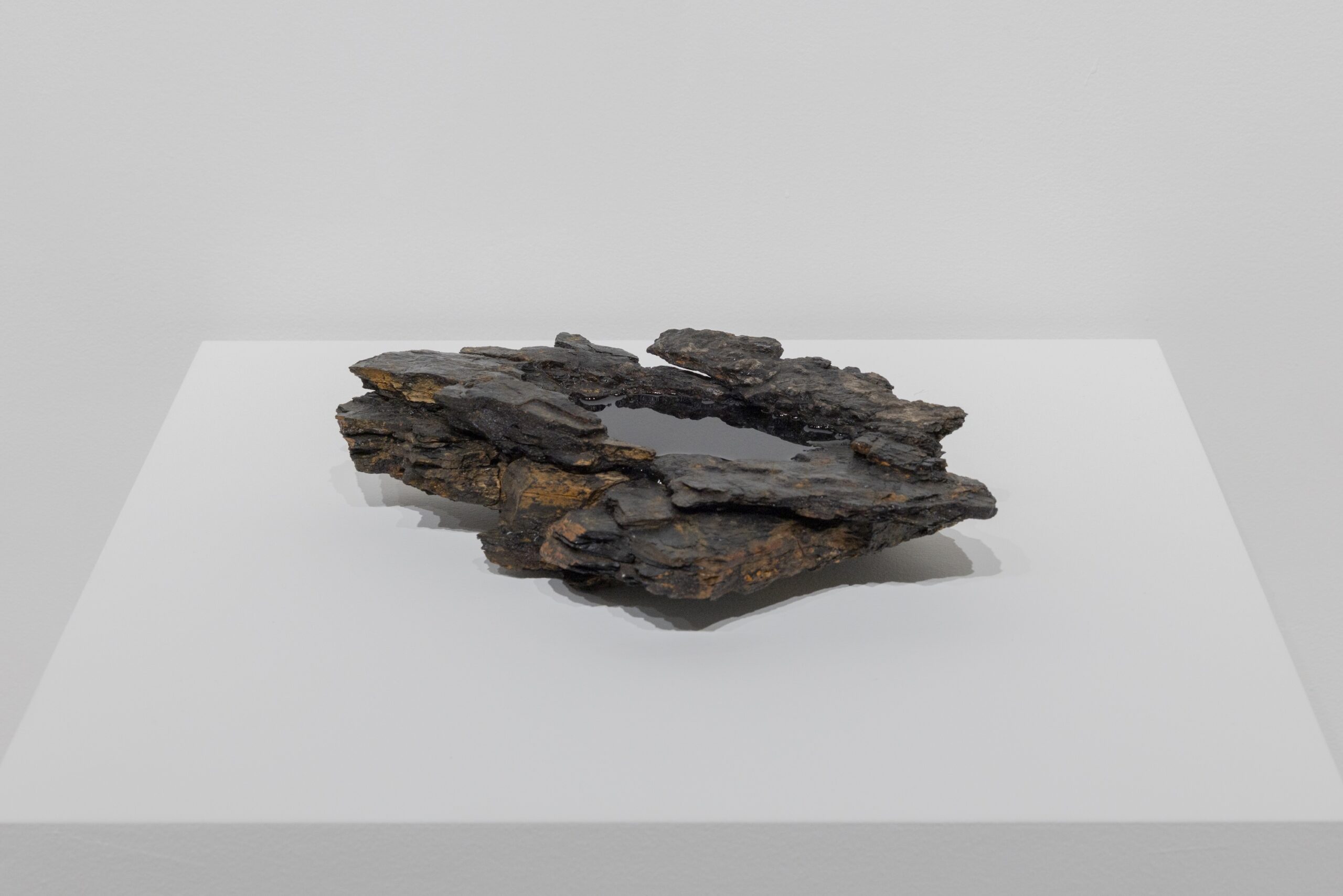
Mining
2026
Coal seam, epoxy resin, and UV-blocking clear coating
H6.5 × W28 × D17.5 cm / H2.6 × W11.0 × D6.9 in
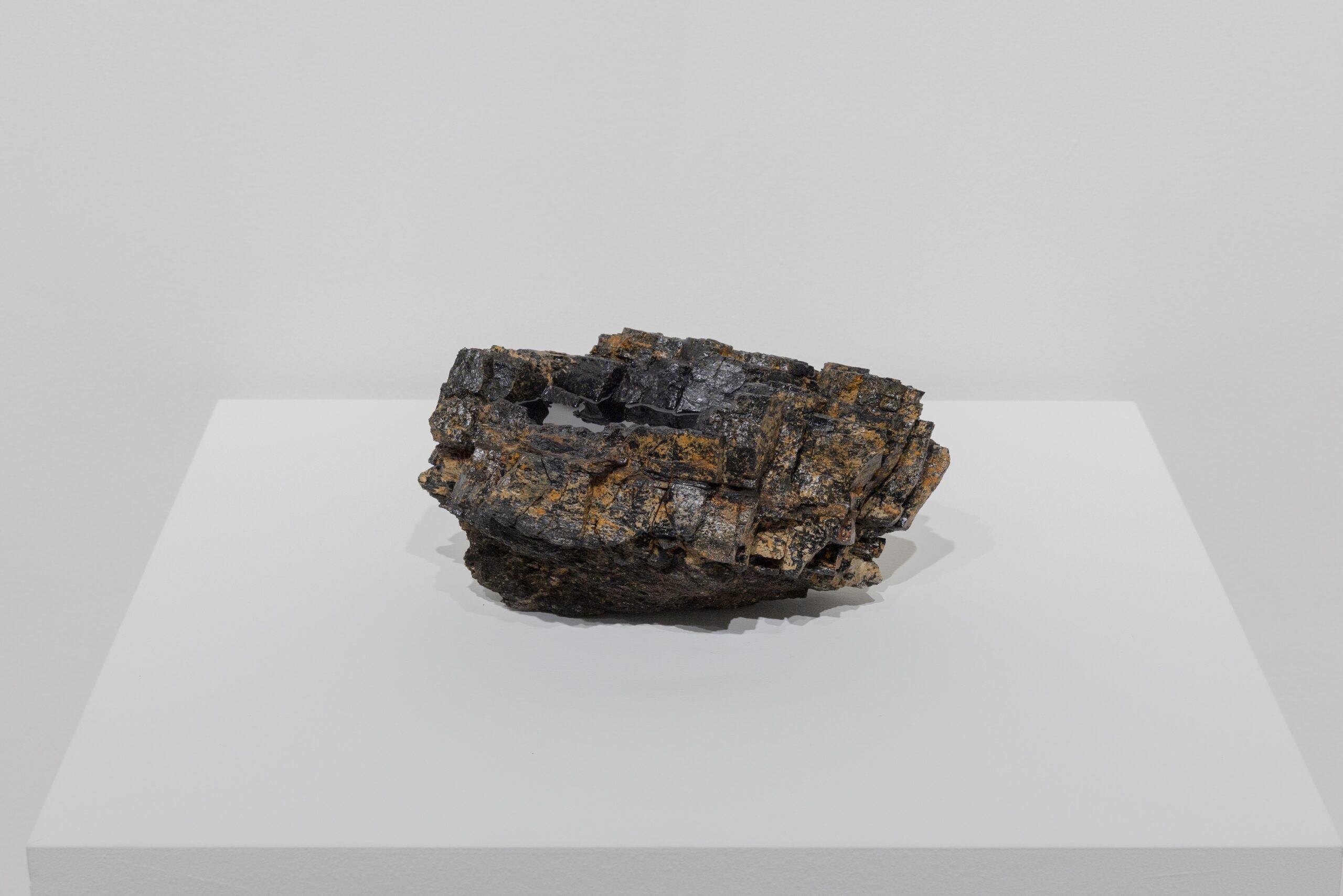
Mining
2026
Coal seam, epoxy resin, and UV-blocking clear coating
H11.5 × W21 × D15 cm / H4.5 × W8.3 × D5.9 in
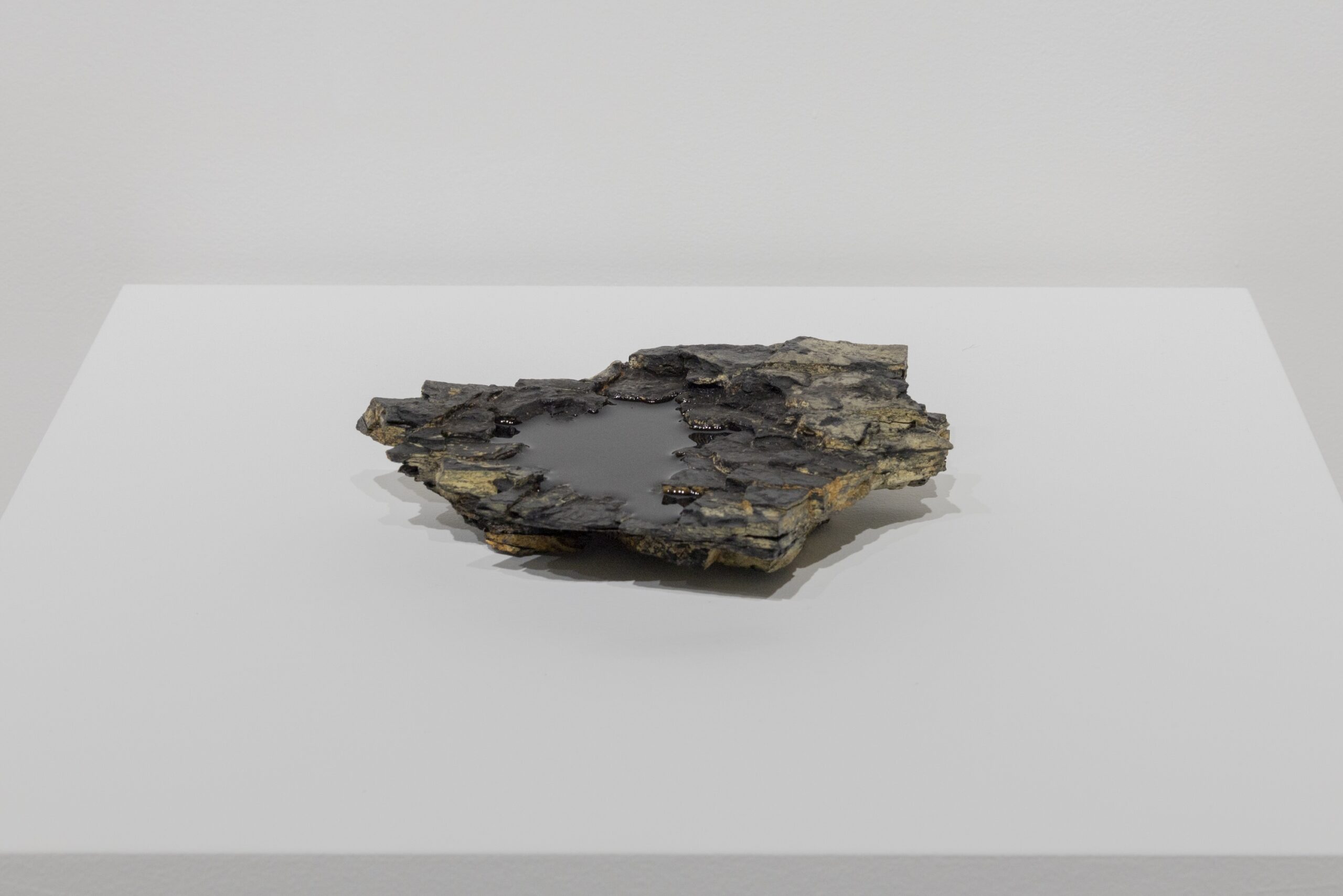
Mining
2026
Coal seam, epoxy resin, and UV-blocking clear coating
H5 × W19 × D15.5 cm / H2.0 × W7.5 × D6.1 in
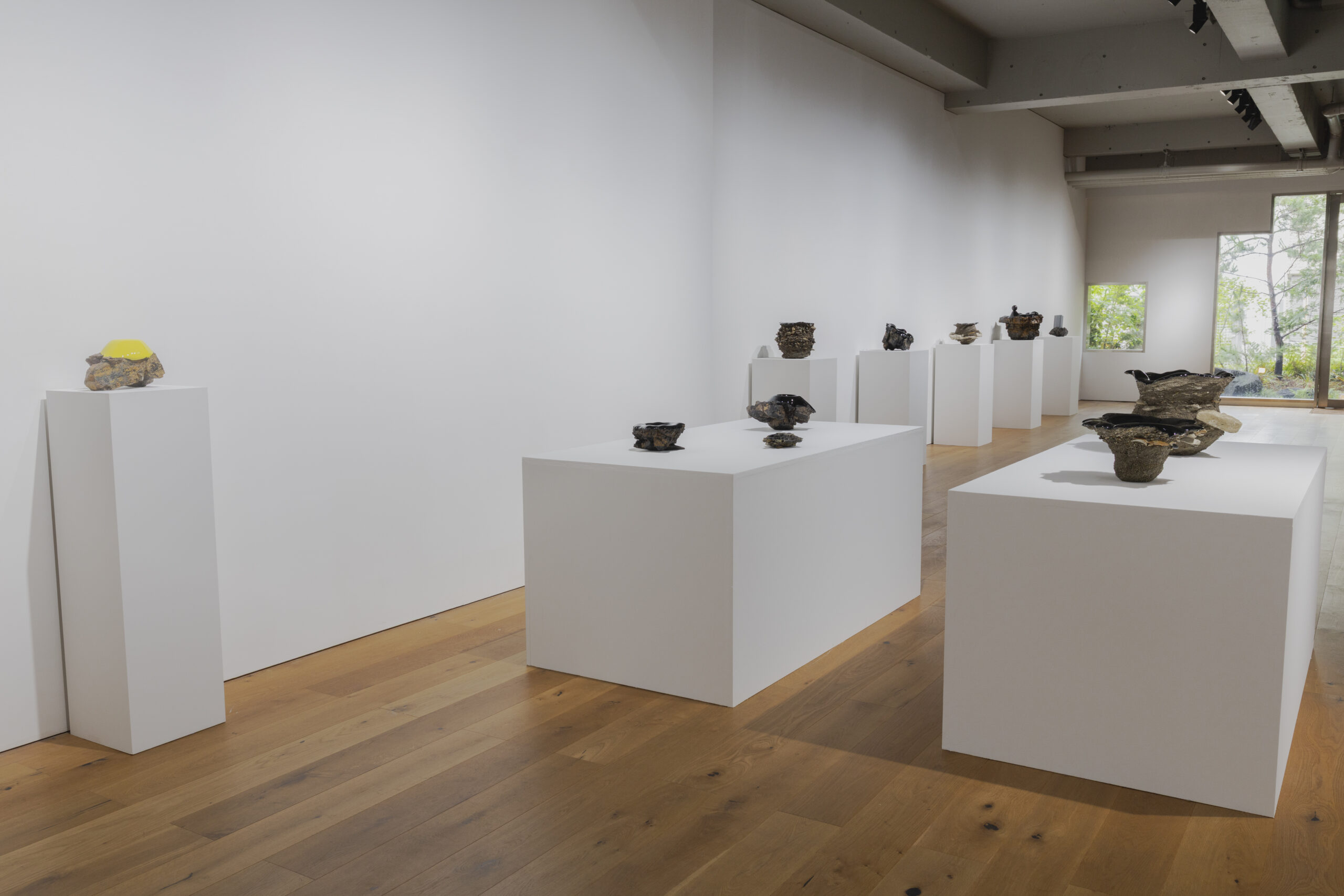
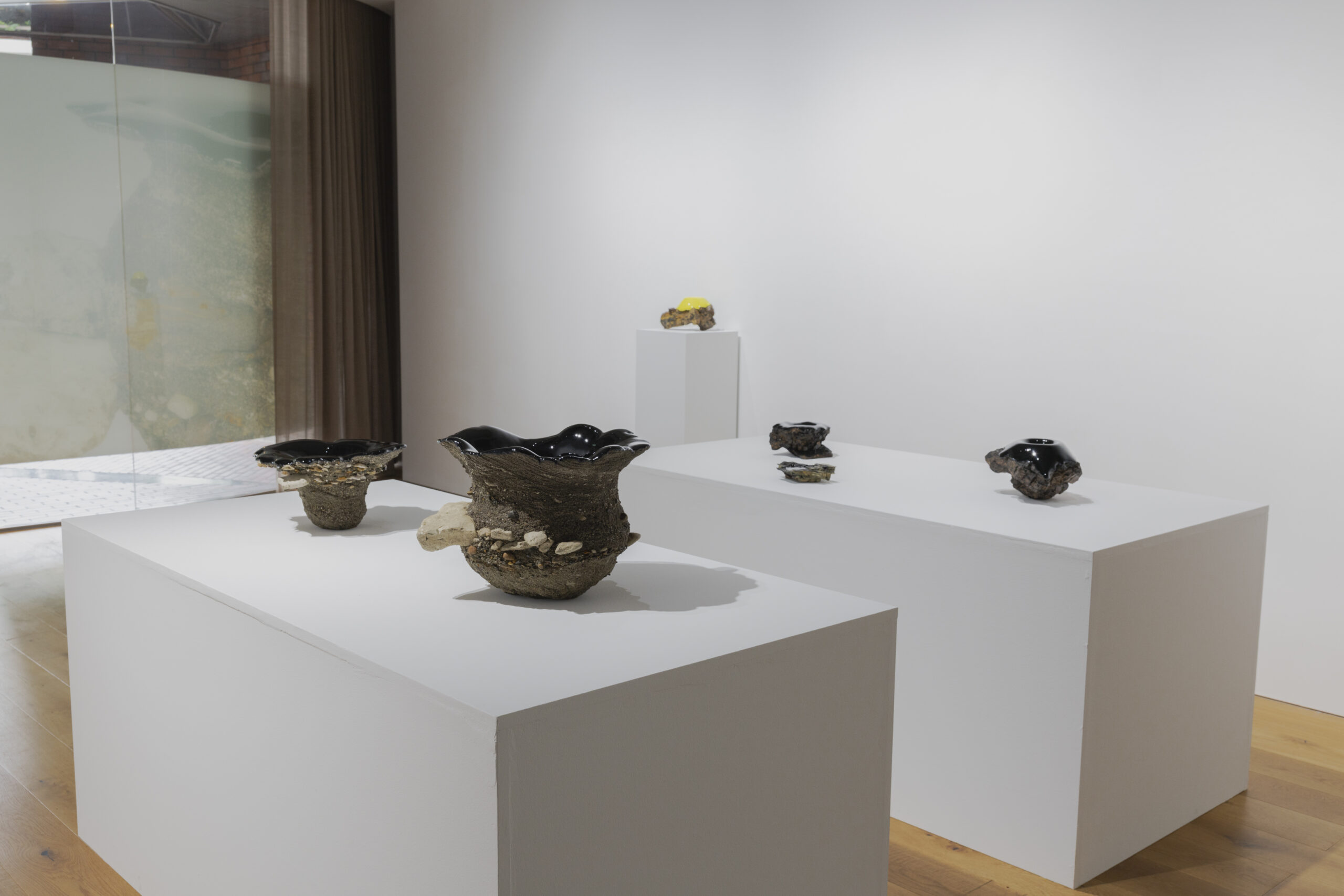
INSTALLATION VIEWS
ARTISTS
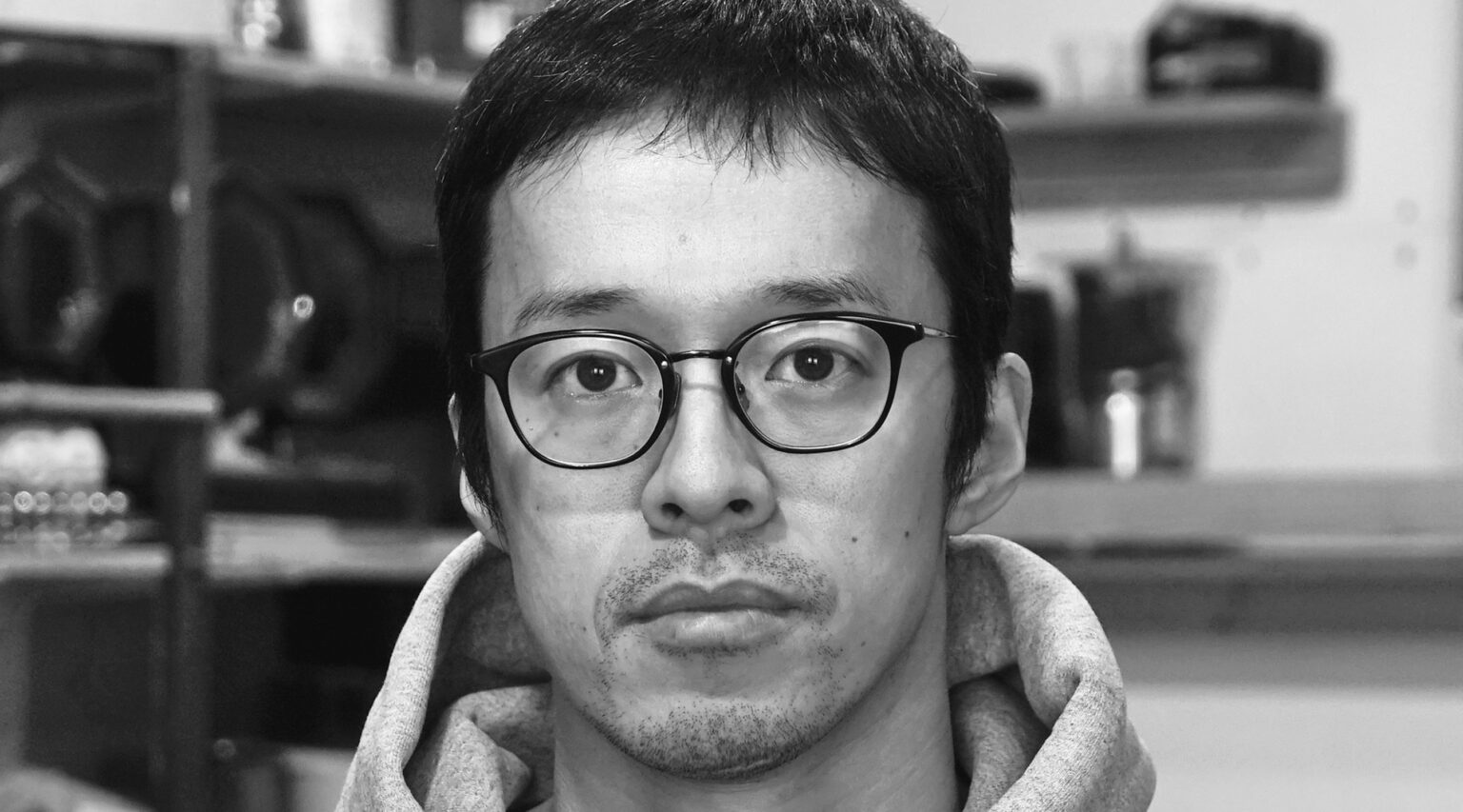
Teppei MIYAKE
三宅 哲平
I began digging into "strata" because I was making gravestones. In Japan, funerary rites—shaped by the Edo-period danka system—have long provided the framework through which the presence of the dead is defined, in what is often called "funeral Buddhism." Yet with shifts in religious sensibilities, increasing individualization, and a declining and aging population, I found myself wanting to reconsider how absence might be expressed in Japan today. That impulse is what first led me to make gravestones. What I unexpectedly confronted in the process, however, was the fact of forgetting—and the self-evident truth that countless dead lie buried, while most of us, too, will eventually be forgotten. The act of "digging into strata" began as an attitude toward an invisible, immense history: a way of seeking how to confirm the existence of those innumerable ones who can no longer exist. In 1788, the geological time that James Hutton discovered through the unconformity at Siccar Point—deep time—was not a "past" within human temporal perception, but the discovery of an outside that cannot be recalled. And yet, strata, like us, possess their own histories down to each single grain of sand. What appears to humans as a result is, in deep time, a process; weathering is becoming; it is not forgetting, but transformation. Just as the calcium that composes our bones once drifted in the sea as foraminifera, and just as the iron in our blood was forged by stellar explosions, we quite literally stand upon deep time. Perhaps we find beauty—and a slight consolation—in strata because, living as we do within overwhelmingly short spans of time, we are, through them, touching a self that exists within a deep time where there is no concept of loss. If we dig beneath our feet, strata teach us that it is certainly there. Teppei Miyake
Learn more